
Plastic bans are accelerating, yet many businesses still rely on outdated packaging—leading to lost opportunities. Non-woven bag manufacturing offers a scalable, eco-friendly solution. Here’s how to get started.
A non-woven bag manufacturing business involves producing reusable bags from polypropylene or RPET fabric using automated machinery. It’s suitable for manufacturers in regions with plastic restrictions or high demand for eco-packaging. Success hinges on machine selection, local regulations, and market needs. This guide outlines who it’s for, what to watch for, and how to avoid costly mistakes.
Let’s break down the key evaluation factors, risks, மற்றும் real-world comparisons to help guide a smart investment decision.
Definition & Scope
What Is a Non-Woven Bag Manufacturing Business?
A non-woven bag manufacturing business produces eco-friendly fabric bags இலிருந்து non-woven polypropylene or recycled materials using automated equipment.
It primarily serves markets with பிளாஸ்டிக் தடைகள் or rising demand for reusable packaging.
It does not include textile or woven fabric bag production, nor traditional plastic bag manufacturing.
Who Should Choose This Option?
Entrepreneurs in plastic-restricted countries seeking eco-packaging solutions
Plastic bag factories transitioning post-ban
Distributors aiming to expand into sustainable packaging
Who Should Avoid This Option?
Businesses with no access to industrial electricity or trained labor
Buyers in regions with low eco-packaging demand
Key Evaluation Factors
Factor 1: Machine Versatility
Why it matters: ஆதரவு செய்கிறது பல வகையான பைகள் (T-shirt, box, shopping, gift, etc.)
How to verify: Confirm specs like multi-mode functions, compatibility with raw materials
Common mistake: Choosing single-function models that limit future orders
Factor 2: Automation Level
Why it matters: High automation reduces labor cost and increases output
How to verify: Look for features like touch-screen control மற்றும் automatic cutting
Common mistake: Underestimating the ROI of fully automatic machines
Factor 3: Supplier Experience and Support
Why it matters: Impacts machine installation, training, and after-sales service
How to verify: Ask for customer references, சரிபார்க்கவும் global presence
Common mistake: Buying from suppliers lacking overseas service experience
Risks and How to Reduce Them
Misjudging machine compatibility → Request samples or testing videos from the supplier
Price vs. quality trade-off → Choose structured suppliers over the cheapest option
Inadequate training → Select suppliers with installation and on-site support capabilities
Comparison with Alternatives
| பொருள் | Fully Auto Machine | Semi-Auto Machine | Manual Setup |
|---|---|---|---|
| Cost | High | Medium | Low |
| MOQ | Low | Medium | High |
| Lead Time | Short | Medium | Long |
| Compliance | High | Medium | Low |
| OEM Ability | Strong | Medium | Limited |
Common Real-World Mistakes
Failing to match machine features to target market needs
Overlooking after-sales service availability
Ignoring local electricity or technical conditions
Why Experienced Buyers Prefer Structured Suppliers
Clear communication process
Compliance-first mindset
Stable production and QC systems
Final Summary
Non-woven bag manufacturing is ideal for eco-focused markets—success depends on the right equipment, supplier, and long-term planning.
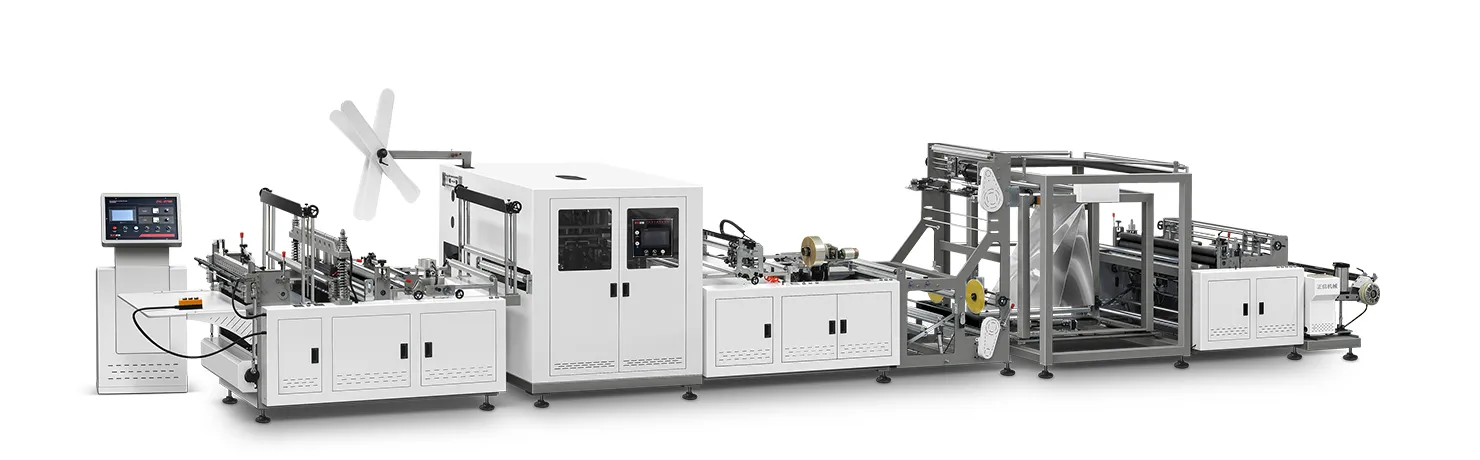
ZXL-A700背心袋无纺布制袋机.webp)
 தமிழ்
தமிழ்  English
  العربية
  Español
  Русский
  O‘zbekcha
  Қазақ тілі
  Português (AO90)
  Tiếng Việt
  (فارسی (افغانستان
  Kiswahili
  አማርኛ
አማርኛ  Bahasa Indonesia
  اردو
اردو  हिन्दी
  বাংলা
বাংলা