
ممنوعیتهای پلاستیک شتاب میگیرند, ، با این حال بسیاری از کسبوکارها هنوز به بستهبندیهای قدیمی متکی هستند—موجب از دست رفتن فرصتها. تولید کیسه نبافته راهحلی مقیاسپذیر و دوستدار محیطزیست ارائه میدهد.. در اینجا نحوه شروع کار آمده است.
A کسبوکار تولید کیسه نبافته شامل تولید کیسههای قابل استفاده مجدد با استفاده از پارچه پلیپروپیلن یا RPET ماشینآلات خودکار. این برای تولیدکنندگان در مناطقی با محدودیتهای پلاستیکی یا تقاضای بالا برای بستهبندی زیستمحیطی. موفقیت بستگی به انتخاب دستگاه، مقررات محلی و نیازهای بازار دارد.. این راهنما مشخص میکند که برای چه کسانی است، باید به چه نکاتی توجه کرد و چگونه از اشتباهات پرهزینه جلوگیری کرد.
بیایید تجزیه و تحلیل کنیم عوامل کلیدی ارزیابی، ریسکها, ، و مقایسههای دنیای واقعی برای کمک به راهنمایی یک تصمیم سرمایهگذاری هوشمندانه.
تعریف و دامنه
کسبوکار تولید کیفهای نبافته چیست؟
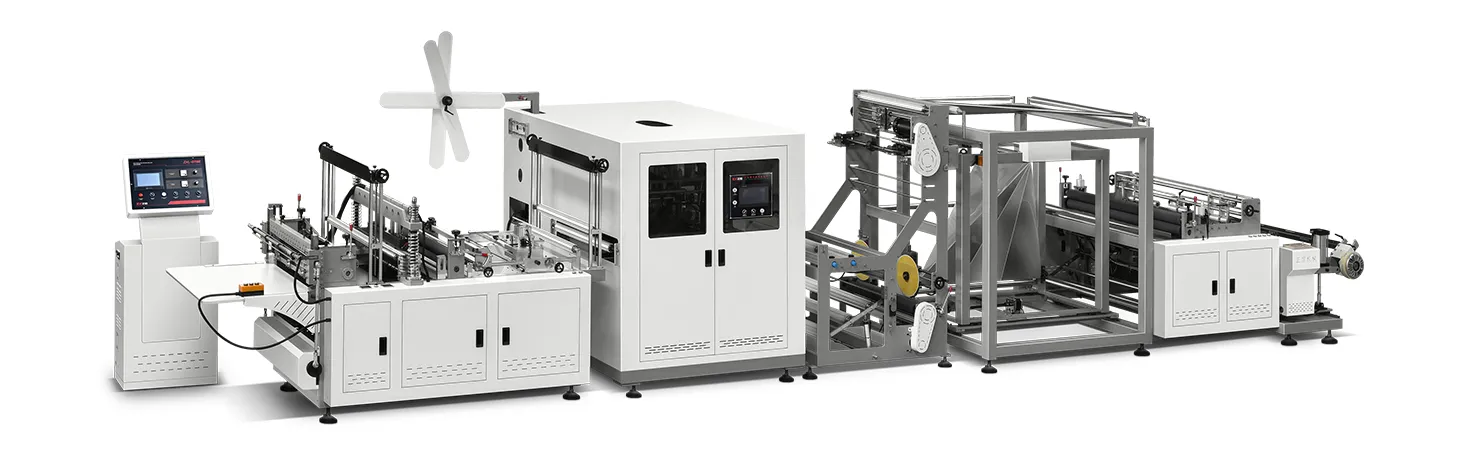
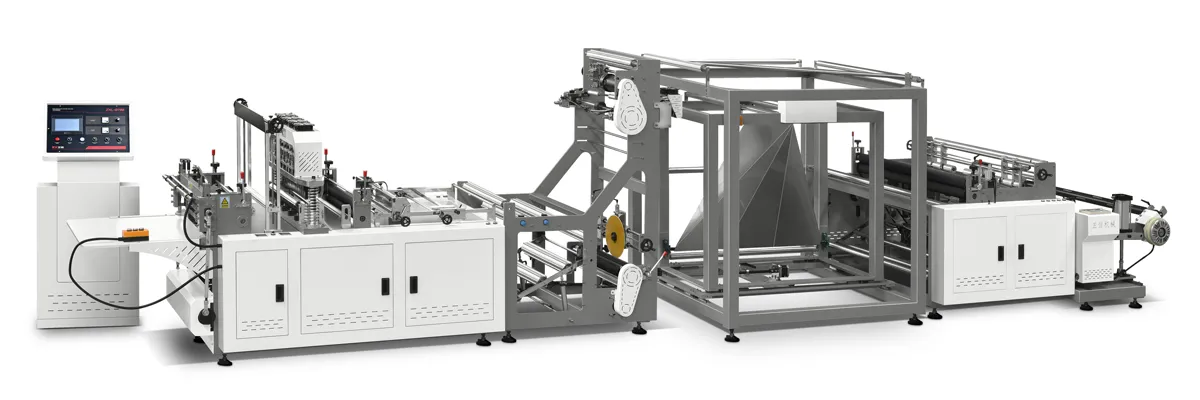
A کسبوکار تولید کیسه نبافته تولید میکند کیفهای پارچهای سازگار با محیط زیست از پلیپروپیلن نبافته یا مواد بازیافتی با استفاده از تجهیزات خودکار.
این عمدتاً به بازارهایی با ... خدمت میکند. ممنوعیت پلاستیک یا تقاضای فزاینده برای بستهبندی قابل استفاده مجدد.
این کار را میکند شامل تولید کیسههای نساجی یا پارچهای نباشید, ، و نه تولید سنتی کیسه پلاستیکی.
چه کسی باید این گزینه را انتخاب کند؟
کارآفرینان در کشورهای دارای محدودیت پلاستیک جستجوی راهکارهای بستهبندی اکولوژیک
کارخانههای کیسههای پلاستیکی پس از ممنوعیت در حال گذار
توزیعکنندگانی که به دنبال گسترش هستند در بستهبندی پایدار
چه کسانی باید از این گزینه اجتناب کنند؟
کسبوکارهایی با دسترسی به برق صنعتی یا نیروی کار ماهر ندارد
خریداران در منطقههایی با تقاضای پایین برای بستهبندی اکولوژیک
عوامل کلیدی ارزیابی
عامل ۱: چندمنظوره بودن دستگاه
چرا اهمیت دارد: حمایت میکند انواع مختلف کیف (تیشرت، جعبه، خرید، هدیه، و غیره)
چگونه تأیید کنیم: مشخصات را تأیید کنید مانند کارکردهای چندحالته, ، سازگاری با مواد خام
اشتباه رایج: انتخاب کردن مدلهای تککاره که سفارشات آتی را محدود میکند
عامل ۲: سطح اتوماسیون
چرا اهمیت دارد: خودکارسازی بالا هزینه نیروی کار را کاهش میدهد. و بازده را افزایش میدهد
چگونه تأیید کنیم: به دنبال ویژگیهایی مانند کنترل لمسی و برش خودکار
اشتباه رایج: کمارزشانگاری کردن بازده سرمایهگذاری (ROI) دستگاههای کاملاً خودکار
عامل ۳: تجربه و پشتیبانی تأمینکننده
چرا اهمیت دارد: تأثیرات نصب دستگاه، آموزش و خدمات پس از فروش
چگونه تأیید کنیم: درخواست کنید مراجع مشتریان, ، بررسی کنید حضور جهانی
اشتباه رایج: خرید از تأمینکنندگان فاقد تجربه خدمات خارجی
خطرات و چگونگی کاهش آنها
قضاوت اشتباه در سازگاری دستگاه درخواست نمونهها یا ویدیوهای آزمایشی از تأمینکننده
توازن بین قیمت و کیفیت → انتخاب کن تأمینکنندگان ساختاریافته روی ارزانترین گزینه
آموزش ناکافی → تأمینکنندگان را با تواناییهای نصب و پشتیبانی در محل
مقایسه با جایگزینها
| مورد | ماشین کاملاً خودکار | ماشین نیمهخودکار | تنظیم دستی |
|---|---|---|---|
| هزینه | بالا | متوسط | پایین |
| حداقل سفارش | پایین | متوسط | بالا |
| زمان تحویل | کوتاه | متوسط | بلند |
| انطباق | بالا | متوسط | پایین |
| توانایی OEM | قوی | متوسط | محدود |
اشتباهات رایج در دنیای واقعی
عدم تطبیق ویژگیهای دستگاه با نیازهای بازار هدف
نادیده گرفتن در دسترس بودن خدمات پس از فروش
نادیده گرفتن شرایط محلی برق یا فنی
چرا خریداران باتجربه تأمینکنندگان ساختاریافته را ترجیح میدهند
فرآیند ارتباطی شفاف
ذهنیت مبتنی بر انطباق
سیستمهای تولید و کنترل کیفیت پایدار
خلاصه نهایی
تولید کیسههای نبافته برای بازارهای زیستمحیطی ایدهآل است—موفقیت به تجهیزات مناسب، تأمینکننده و برنامهریزی بلندمدت بستگی دارد.
 (فارسی (افغانستان
  English
  العربية
  Español
  Русский
  O‘zbekcha
  Қазақ тілі
  Português (AO90)
  Tiếng Việt
  Kiswahili
  አማርኛ
አማርኛ  தமிழ்
தமிழ்  Bahasa Indonesia
  اردو
اردو  हिन्दी
  বাংলা
বাংলা