
Starting a non woven bag factory without proper planning can lead to low efficiency, high costs, and production delays. A complete plant setup ensures stable output, profitability, and long-term business growth.
Building a complete non woven bag plant requires selecting suitable machinery, designing an efficient production layout, securing raw material supply, hiring trained operators, and implementing quality control systems. A well-planned factory can produce various eco-friendly bags efficiently while meeting growing global demand driven by plastic restriction policies.
A successful non woven bag manufacturing facility depends on much more than simply purchasing machines.
Why Is Demand for Non Woven Bags Growing Worldwide?
The global movement toward sustainable packaging has created significant opportunities for non woven bag manufacturers. Many countries have introduced restrictions on single-use plastic bags, encouraging retailers and consumers to switch to reusable alternatives.
Non woven bags offer several advantages:
- Reusable and durable
- Environmentally friendly
- Cost-effective for mass production
- Easy to customize with branding
- Suitable for retail, grocery, promotional, and packaging applications
As demand continues to increase across Africa, Southeast Asia, the Middle East, and the Americas, investing in a complete non woven bag plant can become a profitable long-term business opportunity.
What Machines Are Required for a Complete Non Woven Bag Plant?
The foundation of any successful plant is selecting the right equipment. Modern manufacturers generally prefer automated solutions that improve productivity and reduce labor costs. According to Zhejiang Zhengxin Machinery Co., Ltd., intelligent, automated, and precision-based machinery has become the development trend of the industry.
Typical equipment includes:
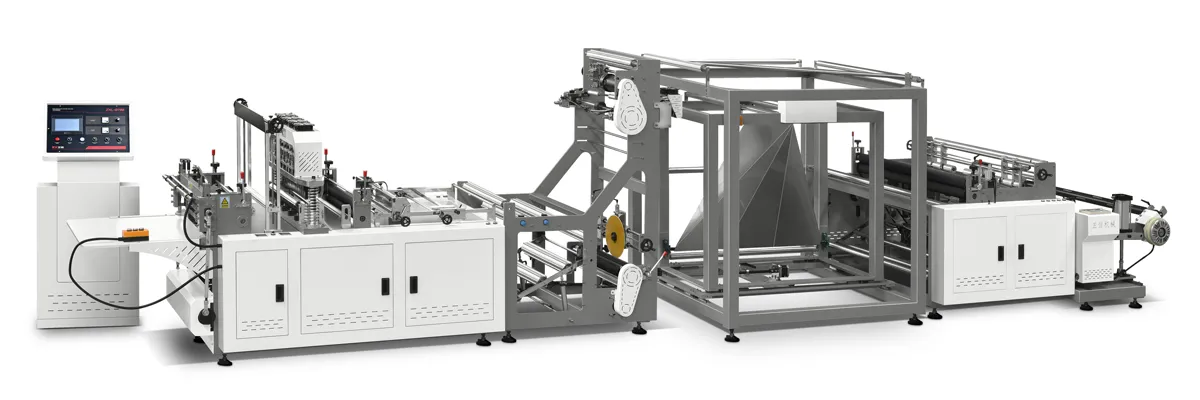
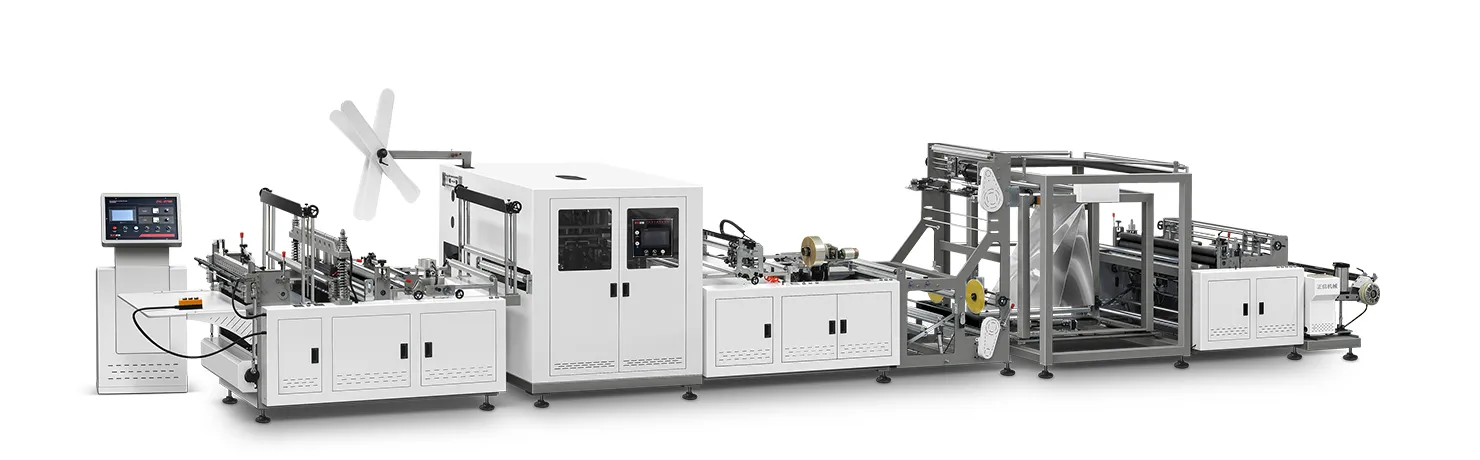
Non Woven Bag Making Machine
This is the core machine of the production line. It converts non woven fabric into finished bags with automated feeding, folding, sealing, and cutting functions.
Non Woven Printing Machine
Printing equipment allows manufacturers to add logos, advertisements, and custom designs, increasing product value and customer appeal.
Non Woven Box Bag Making Machine
This machine produces premium box-shaped bags widely used in supermarkets, retail stores, and promotional events.
RPET Bag Making Machine
RPET bag production is increasingly popular among environmentally conscious brands seeking sustainable packaging solutions.
Auxiliary Equipment
Additional equipment may include:
- Slitting machines
- Handle attachment machines
- Ultrasonic welding systems
- Packaging machines
- Quality inspection equipment
How Should the Factory Layout Be Designed?
An efficient layout minimizes material handling and maximizes productivity.
A typical workflow follows these stages:
- Raw material storage
- Fabric feeding and slitting
- Printing process
- Bag forming and sealing
- Handle attachment
- Quality inspection
- Packaging
- Finished goods warehouse
The production flow should be arranged linearly whenever possible to reduce transportation time between processes.
Adequate space should also be allocated for maintenance, employee movement, and future production expansion.
What Features Should Modern Machinery Have?
Advanced equipment provides significant competitive advantages.
Many modern machines feature touch-screen control systems with user-friendly interfaces, allowing operators to manage production easily. One machine can often produce multiple bag types, including food bags, beverage bags, wine bags, clothing bags, gift bags, takeaway bags, and insulated bags. These machines can also process various materials such as non woven fabric, laminated fabric, PP materials, transparent films, and woven materials.
Important features include:
Ultrasonic Welding Technology
Ultrasonic welding improves sealing quality while reducing material waste and maintenance requirements.
Automated Production Systems
Automation increases production speed while reducing labor costs and human error.
Multifunctional Production Capability
Flexible machinery enables manufacturers to respond quickly to changing market demands and customer requirements.
Energy Efficiency
Energy-saving systems help reduce operating expenses and support environmentally responsible manufacturing practices.
Stable and Reliable Performance
Consistent machine operation minimizes downtime and ensures continuous production output.
How Much Investment Is Needed?
Investment requirements vary depending on production capacity, automation level, and local operating costs.
Key investment categories include:
- Factory building or rental
- Machinery and equipment
- Raw materials
- Employee salaries
- Utilities and infrastructure
- Training and installation
- Working capital
Many investors begin with a medium-capacity production line and expand as market demand increases.
When selecting equipment suppliers, businesses should evaluate:
- Machine quality
- Technical support
- Installation services
- Operator training
- Spare parts availability
- After-sales service
Working with experienced manufacturers that offer complete turnkey solutions can significantly reduce startup risks.
How Can Quality Be Maintained?
Quality control should be integrated into every stage of production.
Key checkpoints include:
- Raw material inspection
- Printing accuracy verification
- Weld strength testing
- Bag dimension measurement
- Handle load testing
- Finished product inspection
Regular equipment maintenance also helps maintain product consistency and production efficiency.
Strong quality management systems improve customer satisfaction and support long-term business growth.
What Are the Keys to Long-Term Success?
A successful non woven bag plant combines modern equipment, skilled operators, efficient production management, and reliable customer service.
Manufacturers that continuously improve automation, product quality, and operational efficiency are better positioned to compete in global markets. By offering customized bag solutions and maintaining stable production capacity, businesses can build strong relationships with distributors, retailers, and brand owners worldwide.
A complete non woven bag plant combines advanced machinery, efficient management, and quality control to achieve sustainable manufacturing success.
 English
  العربية
  Español
  Русский
  O‘zbekcha
  Қазақ тілі
  Português (AO90)
  Tiếng Việt
  (فارسی (افغانستان
  Kiswahili
  አማርኛ
አማርኛ  தமிழ்
தமிழ்  Bahasa Indonesia
  اردو
اردو  हिन्दी
  বাংলা
বাংলা