
Plastic bag bans: Help or hurt? How can we make sure they work? A plastic bag ban restricts or prohibits single-use plastic bags. California’s new law SB 1053 (effective Jan 1, 2026) bans them at grocery and large retail checkouts, requiring customers to use 10-cent recycled paper or reusable bags. Many countries now follow similar rules to reduce plastic waste in oceans and wildlife habitats. These laws also push people toward long-term, sustainable alternatives.
Bans are happening fast—here’s what manufacturers and buyers need to know to stay ahead.
Key Aspects of Plastic Bag Bans
Plastic bag bans vary globally, but they share one goal: cutting down on single-use plastic waste. Most regulations prohibit the distribution of lightweight plastic bags at checkout counters. Some laws go further, banning even thicker bags or requiring retailers to charge for reusable ones. Penalties often apply for non-compliance, while incentives or subsidies may support businesses shifting to alternatives.
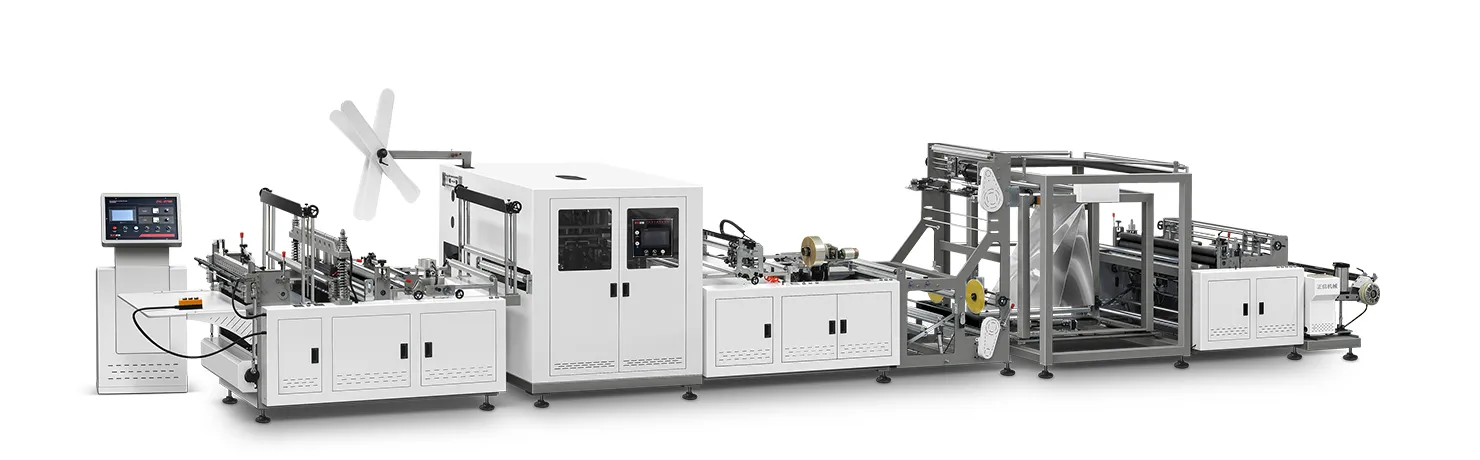
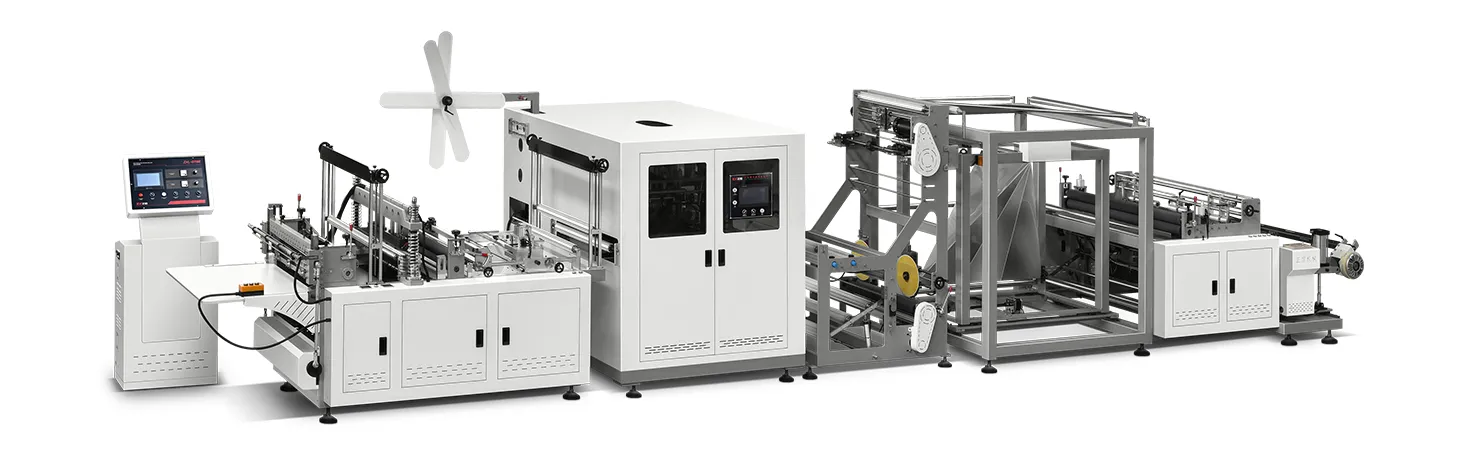
For manufacturers and buyers, such policies present both challenge and opportunity. Companies must act quickly to switch production methods or update their product lines. Non-woven bag making machines—especially those that support multiple materials like PP, RPET, and laminated fabric—have become essential. At this moment of change, investing in scalable and automated machinery ensures not just compliance, but also business continuity and growth.
Other Locations & Laws
Beyond the U.S., many countries already enforce plastic bag bans. For example:
Rwanda has enforced one of the strictest bans since 2008, earning praise for its cleanliness.
India moved to a nationwide ban in 2022 after years of regional enforcement.
China expanded its existing ban in 2020 to include more cities and more plastic types.
The EU mandates that member states cut plastic bag consumption through bans, fees, or targets.
In Africa, bans are common in Nigeria, Kenya, and Gabon, while in South America, countries like Argentina and Colombia are tightening regulations. These laws are pushing factories to upgrade or replace their existing equipment. Companies looking to meet demand are turning to machines that can efficiently produce eco-friendly bags at scale.
Why They’re Implemented
The logic behind plastic bag bans is simple: plastic pollution is everywhere. Bags clog sewers, pile up in landfills, and break down into microplastics that harm marine life and human health. These bags are cheap to produce but costly to clean up. By banning them, governments aim to:
Protect oceans and wildlife
Reduce long-term cleanup costs
Promote local manufacturing of sustainable products
Educate the public about eco-conscious choices
These bans also align with global environmental goals like the Paris Agreement. For the manufacturing industry, they create demand for sustainable alternatives. Machines that can produce reusable bags from non-woven fabric or recycled materials help businesses meet this demand while complying with laws.
Plastic Bag Alternatives Following the Ban
With bans taking hold, what’s replacing plastic bags?
Non-woven bags – These are the go-to solution. Made from spunbond polypropylene, they are strong, reusable, and widely accepted. Machines like ZX’s fully automatic non-woven bag machines can produce a wide variety—from shopping to T-shirt bags.
RPET bags – These bags are made from recycled PET plastic bottles, offering a circular solution. They’re durable and meet eco-standards in many countries.
Biodegradable bags – Often made from cornstarch, these break down more easily. But they cost more and have limited shelf life.
Paper bags – Common in retail, but not ideal for all uses due to their lower strength and higher water consumption during production.
Non-woven bags strike the best balance between sustainability, cost, and customization. With the right equipment, businesses can produce large volumes of high-quality bags that meet both consumer needs and legal requirements.
Conclusion
Plastic bag bans are here to stay. But with the right strategy and equipment, businesses can turn regulation into opportunity—and lead the way toward a cleaner future.
 English
  العربية
  Español
  Русский
  O‘zbekcha
  Қазақ тілі
  Português (AO90)
  Tiếng Việt
  (فارسی (افغانستان
  Kiswahili
  አማርኛ
አማርኛ  தமிழ்
தமிழ்  Bahasa Indonesia
  اردو
اردو  हिन्दी
  বাংলা
বাংলা