
Startup errors cause wasted materials and costly downtime. Learn the right process to launch efficiently and boost profits from day one.
To start a non-woven bag manufacturing machine, connect power and air, load fabric, set bag specs, calibrate welding and cutting, and run tests.
Keep reading to avoid mistakes and ensure a smooth, efficient start.
Step 1: Understand the Advantages of Non-Woven Bags
Non-woven bags are reusable, recyclable, and customizable, making them ideal for businesses and plastic-restricted regions. They’re lightweight, durable, and cost-effective, offering a greener alternative to traditional plastic bags. As global policies shift toward sustainability, non-woven bags are increasingly preferred by both businesses and consumers.
Step 2: Choose Non-Woven Bag Production for Long-Term Value
Non-woven bags combine eco-friendliness with strong marketing value. They can be printed with custom branding and used repeatedly, reducing environmental impact while boosting brand exposure. In plastic-ban countries, demand for these bags is rapidly growing. Starting a non-woven bag manufacturing business taps into a rising global market with stable returns and growth opportunities.
Step 3: Ensure Proper Installation
Before starting, ensure the machine is placed on stable ground, all wires are connected, and the safety system is functional. ZX provides on-site installation support through its experienced engineer team, helping clients worldwide set up smoothly and safely.
Step 4: Connect to Power and Air Supply
Turn on the main switch and connect the air compressor. ZX machines come equipped with user-friendly touchscreens and stable internal systems that support smooth boot-up and operation.
Step 5: Load the Non-Woven Material
Load fabric rolls carefully and adjust tension to ensure wrinkle-free feeding. ZX machines support diverse materials, including laminated and PP films, adapting to various client needs and production styles.
Step 6: Set Bag Parameters
Use the intuitive control panel to input bag size and type. ZX machines support the production of shopping bags, T-shirt bags, gift bags, takeaway bags, and more. With memory features, past configurations can be reused easily, saving setup time for repeat batches.
Step 7: Calibrate Ultrasonic Welding & Cutting
Adjust ultrasonic power and blade alignment. ZX machines use advanced ultrasonic welding technology for seamless, strong bonds and precision cutting. Test runs should be done to ensure quality before starting full production.
Step 8: Conduct a Trial Run
Run a small batch and check output for dimensions, sealing, and cut accuracy. ZX equipment is known for stable performance, and once calibrated, it maintains consistent quality even at high speed.
Step 9: Start Full-Scale Production
Begin mass production with confidence. ZX non-woven bag machines are fast, efficient, and suitable for 24/7 operation. They reduce labor costs and maximize output with minimum downtime, meeting large-scale production demands reliably.
Step 10: Routine Monitoring & Maintenance
Check the interface for alerts during production. Clean and lubricate moving parts regularly. ZX machines are built for long-term stability, but proper maintenance ensures maximum lifespan and output quality.
Why Choose ZX for Non-Woven Bag Machines?
Zhejiang Zhengxin Machinery Co., Ltd. (ZX) has more than 10 years of experience, exporting to over 40 countries. Known for automation, reliability, and energy-saving performance, ZX provides one-stop solutions—from design to installation. Their machines produce a wide range of bag types with minimal error rates, making them a smart choice for manufacturers seeking scalable, eco-friendly production.
Non-woven bags offer eco-value, branding power, and market demand—starting right means growing fast.
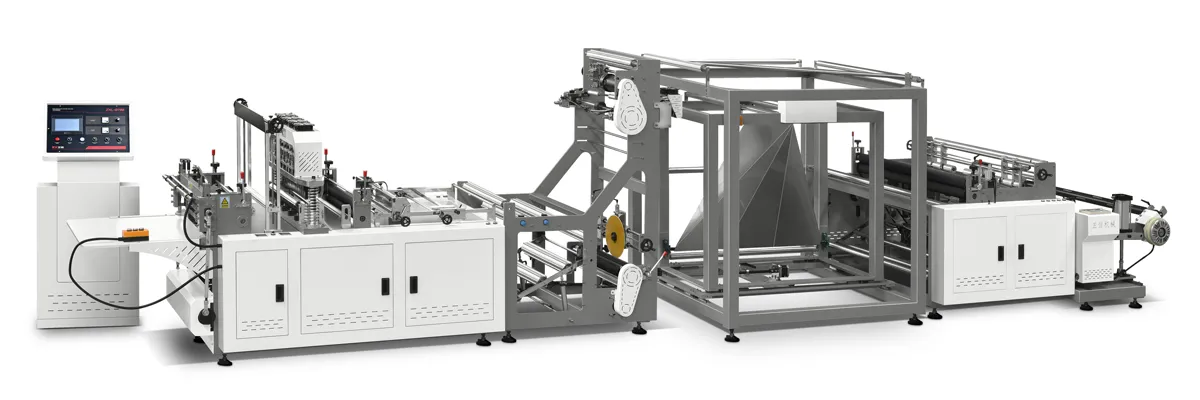
ZXL-A700背心袋无纺布制袋机.webp)
 አማርኛ
አማርኛ  English
  العربية
  Español
  Русский
  O‘zbekcha
  Қазақ тілі
  Português (AO90)
  Tiếng Việt
  (فارسی (افغانستان
  Kiswahili
  தமிழ்
தமிழ்  Bahasa Indonesia
  اردو
اردو  हिन्दी
  বাংলা
বাংলা