
Production delays, inefficient layouts, and unexpected costs often occur when manufacturers underestimate machine installation space. Poor planning can restrict workflow and future expansion. Understanding space requirements helps ensure efficient production and long-term profitability.
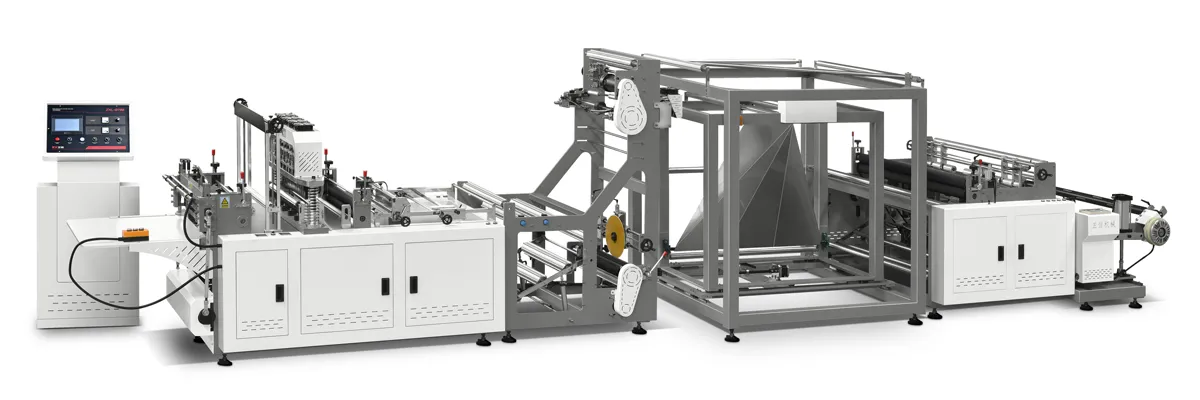
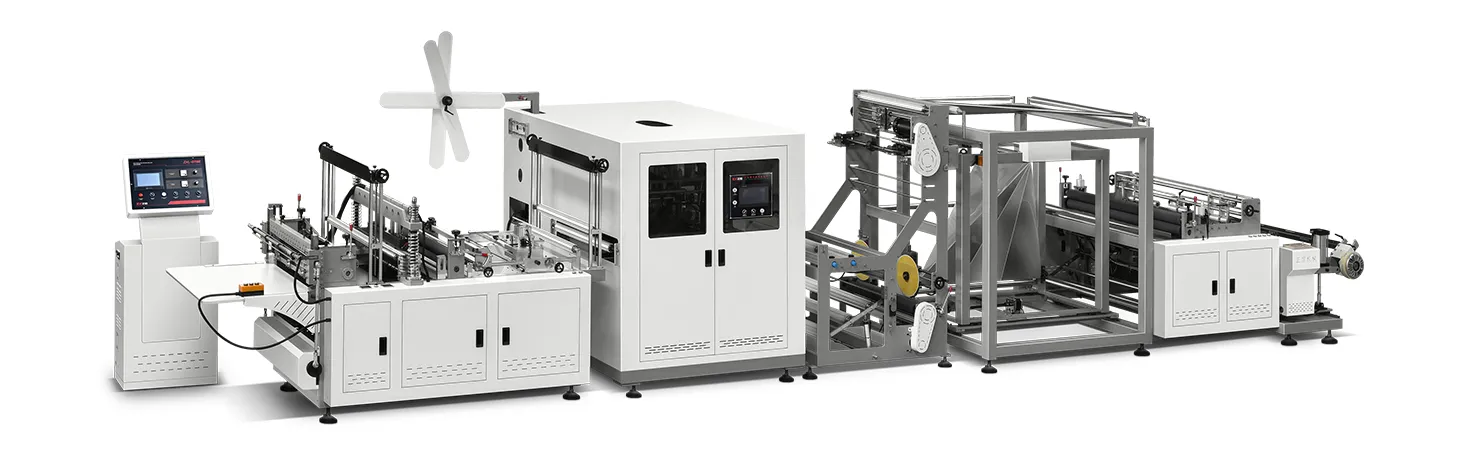
A non-woven bag making machine typically requires 80–300 square meters of installation space, depending on machine type, automation level, material handling systems, and production capacity. Besides the machine footprint, manufacturers must allocate additional space for raw material storage, finished product collection, maintenance access, operator movement, and future production expansion.
Proper space planning involves more than measuring machine dimensions. Several factors directly influence the total area required for efficient and safe operation.
Why Is Installation Space Important for a Non-Woven Bag Making Machine?
Installation space directly affects production efficiency, worker safety, maintenance accessibility, and future scalability. A well-designed factory layout minimizes downtime and improves workflow.
Many new manufacturers focus only on machine purchase costs while overlooking facility planning. However, inadequate space can create bottlenecks that reduce production capacity and increase operational expenses.
A properly planned production area allows smooth movement of raw materials, continuous machine operation, and efficient finished bag collection. It also provides enough room for technicians to perform maintenance without disrupting production.
Modern non-woven bag making machines are increasingly designed with intelligent automation and precision manufacturing features, helping businesses achieve higher efficiency and production stability.
What Is the Typical Footprint of Different Non-Woven Bag Making Machines?
The machine footprint varies significantly depending on the machine model and bag type being produced.
| Mashina turi | Approximate Machine Size | Recommended Total Installation Area |
|---|---|---|
| Basic Shopping Bag Machine | 8–10 m × 2–3 m | 80–120 m² |
| Box Bag Making Machine | 12–15 m × 3–4 m | 150–250 m² |
| Fully Automatic Non-Woven Bag Machine | 15–20 m × 4–5 m | 200–300 m² |
| RPET sumka ishlab chiqarish mashinasi | 12–18 m × 3–5 m | 180–280 m² |
The machine itself occupies only part of the production floor. Additional operational areas must also be considered.
For example, a fully automatic non-woven box bag making machine may require space for:
- Fabric roll loading stations
- Automatic handle attachment units
- Ultrasonik payvandlash tizimlari
- Finished bag collection areas
- Electrical control cabinets
- Maintenance corridors
Manufacturers that plan only for machine dimensions often discover later that material handling becomes inefficient.
How Much Space Is Needed for Raw Material and Finished Product Storage?
Storage areas often occupy as much space as the machine itself.
Non-woven fabric rolls can be large and heavy. Depending on production volume, manufacturers may store several days or weeks of inventory near the machine to avoid production interruptions.
Typical storage recommendations include:
Raw Material Storage
- 20–50 m² for small factories
- 50–100 m² for medium production lines
- More than 100 m² for large-scale operations
Finished Product Storage
- 20–80 m² depending on daily output
- Separate packaging and inspection zones
- Easy access for loading and shipping
Factories producing shopping bags, box bags, gift bags, takeaway bags, or insulated bags usually require larger storage areas because of product variety. Modern machines can produce multiple bag types from various materials, including non-woven fabric, laminated fabric, woven material, and PP composite materials.
What Clearance Space Should Be Reserved Around the Machine?
Adequate clearance is essential for safety and maintenance.
Industry best practices recommend leaving at least:
- 1.0–1.5 meters around machine sides
- 2.0 meters near loading and unloading sections
- Additional access around electrical cabinets
- Emergency evacuation pathways
These clearances allow operators to:
- Load fabric rolls safely
- Monitor production quality
- Access machine controls
- Perform routine maintenance
- Replace worn components
Machines equipped with ultrasonic welding technology and automated feeding systems may require even more service access space. Advanced ultrasonic welding technology improves production quality and efficiency while reducing manual intervention.
Should Future Expansion Be Considered During Installation Planning?
Yes. Expansion planning is one of the most overlooked aspects of factory design.
Many successful bag manufacturers begin with a single production line and later add:
- Additional bag making machines
- Bosma mashinalar
- Kesish mashinalari
- Packaging systems
- Automated material handling equipment
Leaving an extra 20–30% of floor space available can significantly reduce future relocation costs.
A scalable layout also improves production flow by allowing logical expansion as business demand increases. Companies serving regions affected by plastic restriction policies often experience rapid growth in non-woven bag demand, making expansion planning particularly important.
Modern non-woven bag making equipment increasingly emphasizes automation, intelligence, and production scalability, helping manufacturers adapt to changing market requirements while maintaining cost efficiency.
What Is the Ideal Factory Size for a Complete Non-Woven Bag Production Line?
For a complete production setup, most manufacturers should consider the following minimum factory sizes:
| Production Scale | Recommended Factory Area |
| Small Scale | 300–500 m² |
| Medium Scale | 500–1,000 m² |
| Large Scale | 1,000–3,000+ m² |
This space accommodates:
- Bag making machines
- Printing equipment
- Material storage
- Sifat nazorati
- Packaging zones
- Maintenance workshops
- Office and administrative areas
Proper factory planning not only improves production efficiency but also supports long-term business growth and operational stability.
Xulosa
A non-woven bag making machine typically requires 80–300 m², while complete production lines often need 300–1,000+ m² for efficient operation.
 O‘zbekcha
  English
  العربية
  Español
  Русский
  Қазақ тілі
  Português (AO90)
  Tiếng Việt
  (فارسی (افغانستان
  Kiswahili
  አማርኛ
አማርኛ  தமிழ்
தமிழ்  Bahasa Indonesia
  اردو
اردو  हिन्दी
  বাংলা
বাংলা