
Alternative Solutions to the Plastic Bag Ban
In response to increasing global plastic pollution, many countries have implemented plastic bag bans. Among the most effective plastic bag ban alternatives are reusable non-woven fabric bags, paper bags, RPET bags, and biodegradable options. These alternatives support environmental goals while offering businesses practical, scalable solutions that align with evolving consumer expectations for sustainability.
Discover how your business can lead in sustainability by exploring these smart alternatives.
The Environmental Impact of Single-Use Plastic Bags
Single-use plastic bags have long been a staple in retail due to their low cost and convenience. However, their environmental toll is staggering. These bags are made from polyethylene, a petroleum-based material that takes hundreds of years to decompose. As they degrade, they break down into microplastics, contaminating soil, rivers, and oceans.
Wildlife often mistakes plastic bags for food, leading to fatal ingestion. Additionally, plastic waste contributes to clogged drainage systems, increasing flood risks in urban areas. Despite recycling programs, the reality is that less than 10% of plastic bags are effectively recycled globally. Most end up in landfills or the natural environment, contributing to a growing ecological crisis.
Plastic bag bans aim to curb these consequences, but without suitable alternatives, businesses and consumers face practical challenges. Thus, identifying scalable, sustainable, and cost-effective alternatives is not just an environmental imperative but also an economic necessity for industries reliant on packaging solutions.
The Benefits of Switching to Sustainable Shopping Bags
Replacing single-use plastics with eco-friendly alternatives brings multifaceted benefits. First and foremost is environmental sustainability. Non-woven bags, RPET bags, and other reusable materials significantly reduce plastic pollution and greenhouse gas emissions during manufacturing.
For businesses, adopting reusable shopping bags enhances brand perception. Consumers are increasingly drawn to companies that align with eco-conscious values. By offering branded, reusable bags, companies not only reduce their environmental footprint but also increase customer loyalty.
Moreover, many countries now incentivize sustainable practices through tax benefits, subsidies, or compliance rewards. Companies switching to plastic bag ban alternatives early can position themselves ahead of regulations and competitors.
Operationally, non-woven bags offer durability and versatility. Unlike flimsy plastic bags, these bags can carry heavier loads and are suitable for multiple industries—from retail to food delivery. Their reusability translates into long-term cost savings, making them a wise business investment.
8 Plastic Shopping Bag Alternatives for Businesses
Governments and businesses are exploring diverse alternatives in response to plastic bans. Here are eight of the most effective:
Non-Woven Bags: Made from spunbond polypropylene, these bags are durable, reusable, and cost-effective. They can be customized for branding and come in various styles like box bags, T-shirt bags, and shopping bags.
RPET Bags: Made from recycled PET bottles, RPET bags offer a circular economy solution. They maintain strength and flexibility, appealing to eco-conscious brands.
Mifuko ya karatasi: Though biodegradable and recyclable, paper bags require more resources to produce. They’re suitable for lightweight goods and short-term use.
Cotton and Canvas Bags: These natural fiber bags are highly durable and washable. While more expensive, they’re ideal for premium branding and long-term use.
Mifuko ya plastiki inayoweza kuoza kibiolojia: These break down faster under certain conditions, but may still leave microplastics. They’re a transitional option where composting infrastructure exists.
Jute Bags: Strong, stylish, and eco-friendly, jute bags are popular in groceries and fashion retail. However, they are bulkier and costlier than non-woven options.
Reusable Polyester Bags: Lightweight and foldable, they’re convenient for on-the-go consumers. Polyester, however, is still synthetic, so it’s a less green option.
Hybrid Bags (e.g., laminated non-woven): These combine durability with weather resistance, suitable for heavier goods or higher-end retail.
Among these, non-woven fabric bags strike the best balance between cost, sustainability, and scalability for businesses transitioning away from plastic.
Why Choose Non-Woven Bags
Non-woven bags have emerged as a top solution among plastic bag ban alternatives. Manufactured using spunbond polypropylene (PP), they combine affordability, durability, and environmental friendliness. These bags are not woven like traditional fabrics but are made by bonding fibers mechanically or thermally. This process minimizes material waste and enables mass production with low energy consumption.
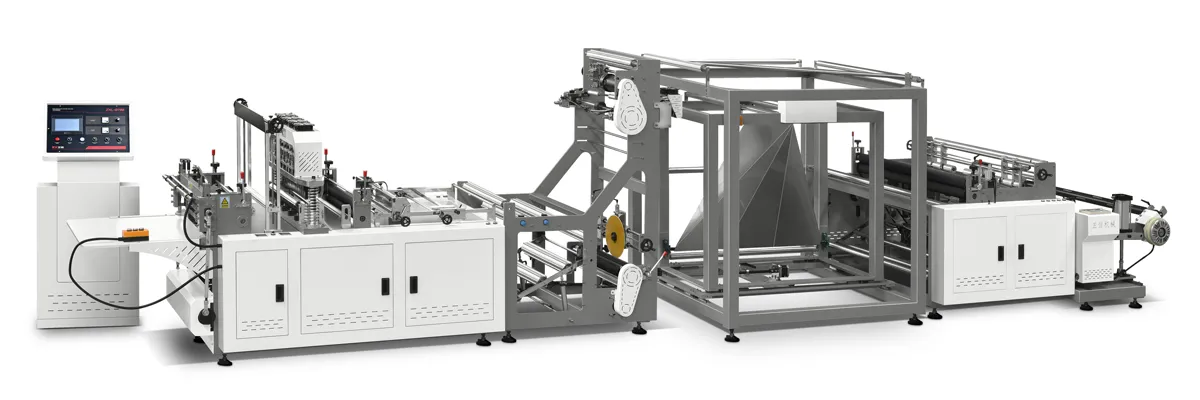
Zhengxin Machinery, a leading Chinese manufacturer, specializes in non-woven bag making machines tailored for countries enforcing plastic bans. Their machines produce a wide range of bags—from box bags to T-shirt and shopping bags—meeting diverse commercial needs.
Non-woven bags offer several advantages:
Reusable and Washable: They withstand multiple uses, reducing demand for single-use bags.
Customizable: They support various sizes, colors, and branding options, making them ideal for retail marketing.
Inayojali mazingira: While made from plastic, they consume fewer resources and generate less waste over time.
Cost-Effective for Businesses: Their longer life cycle means fewer replacements and better ROI.
In industries like groceries, apparel, and food delivery, non-woven bags are already replacing plastic, helping businesses align with global environmental standards while enhancing brand value.
Hitimisho
Non-woven bags stand out as the most practical and sustainable alternative in a world moving beyond plastic. Transitioning now is both a smart business decision and a commitment to a cleaner planet.
ZXL-A700背心袋无纺布制袋机.webp)
 Kiswahili
  English
  العربية
  Español
  Русский
  O‘zbekcha
  Қазақ тілі
  Português (AO90)
  Tiếng Việt
  (فارسی (افغانستان
  አማርኛ
አማርኛ  தமிழ்
தமிழ்  Bahasa Indonesia
  اردو
اردو  हिन्दी
  বাংলা
বাংলা