
Meningkatnya biaya tenaga kerja, kualitas tas yang tidak stabil, dan keterbatasan fleksibilitas produksi dapat mengurangi tingkat keuntungan; begitu terjadi keterlambatan dan cacat produk, kepercayaan pelanggan pun berkurang. Mesin pembuat tas jinjing non-woven yang sepenuhnya otomatis menawarkan solusi praktis.
Mesin pembuat tas jinjing non-woven yang sepenuhnya otomatis membantu produsen meningkatkan kecepatan, konsistensi, dan fleksibilitas produksi. Dengan mengintegrasikan proses pengumpanan, pembentukan, penyegelan, dan pengendalian keluaran secara otomatis, mesin ini mengurangi ketergantungan pada tenaga kerja, mendukung berbagai model tas, meningkatkan kualitas tas jadi, serta membantu pabrik merespons permintaan yang terus meningkat di pasar kemasan ramah lingkungan dengan lebih efektif.
Namun, kecepatan saja tidak cukup—nilai sejati dari otomatisasi terletak pada daya saing produksi dalam jangka panjang.
Mesin pembuat tas jinjing non-woven yang sepenuhnya otomatis kini secara luas dianggap sebagai investasi yang praktis bagi produsen yang melayani pasar kemasan yang dapat digunakan kembali. Seiring dengan kebijakan pembatasan penggunaan plastik yang terus memengaruhi perilaku pembelian di banyak wilayah, permintaan akan tas jinjing non-woven pun terus meningkat. Pembeli tidak lagi hanya fokus pada apakah mesin dapat memproduksi tas; mereka juga memperhatikan apakah mesin tersebut dapat memproduksinya secara efisien, konsisten, dan fleksibel. Bagi pabrik yang memasok pengecer, grosir, distributor, dan klien kemasan khusus, otomatisasi telah menjadi cara penting untuk meningkatkan kapasitas produksi sekaligus responsivitas pasar.
Mengapa Otomatisasi Penting
Keuntungan terbesar dari mesin otomatis sepenuhnya adalah kemampuannya untuk mengurangi ketergantungan pada tenaga kerja manual. Dalam proses produksi tradisional atau semi-otomatis, banyak tahap yang memerlukan keterlibatan langsung pekerja, yang dapat meningkatkan biaya tenaga kerja dan menimbulkan ketidakkonsistenan antar batch. Sebaliknya, mesin pembuat tas jinjing non-woven otomatis sepenuhnya dapat mengintegrasikan tahap-tahap utama seperti:
pemberian bahan
lipat
penyegelan
pembentukan
pemotongan
pengumpulan hasil
Alur kerja yang lebih lancar ini membantu produsen mencapai ritme produksi yang lebih stabil. Hal ini juga mengurangi dampak perbedaan keterampilan operator, yang sangat penting bagi pabrik yang memproses pesanan dalam jumlah besar atau pesanan berulang. Ketika intervensi tenaga kerja diminimalkan, perencanaan produksi harian menjadi lebih mudah, dan kualitas produksi menjadi lebih dapat diprediksi.
Kontrol yang Lebih Baik, Pengoperasian yang Lebih Mudah
Manfaat penting lainnya adalah kemudahan bagi operator. Mesin-mesin modern umumnya dirancang dengan layar sentuh berwarna dan antarmuka manusia-mesin yang lebih intuitif. Hal ini membuat pengaturan parameter, penyesuaian fungsi, dan pemantauan produksi menjadi lebih mudah. Bagi manajer pabrik, hal ini berarti waktu pelatihan yang lebih singkat, pengendalian proses yang lebih jelas, serta lebih sedikit kesalahpahaman selama pengoperasian mesin.
Struktur pengendalian yang ramah pengguna ini tidak hanya bermanfaat bagi pabrik-pabrik yang sudah berpengalaman, tetapi juga bagi perusahaan yang baru pertama kali merambah ke bidang produksi tas non-woven. Mesin yang lebih mudah dioperasikan dapat mempersingkat waktu adaptasi dan memungkinkan bengkel produksi untuk segera beralih ke tahap produksi yang stabil. Secara praktis, sistem pengendalian yang praktis ini berkontribusi pada:
pergantian pekerjaan yang lebih cepat
penyesuaian spesifikasi yang lebih mudah
pengelolaan sehari-hari yang lebih lancar
kelancaran produksi yang lebih baik
Fleksibilitas yang Lebih Besar dalam Pembuatan Tas
Mesin yang andal tidak seharusnya terbatas pada satu jenis tas saja. Bagi banyak pembeli, fleksibilitas produksi merupakan salah satu kriteria terpenting saat mengevaluasi peralatan. Mesin pembuat tas jinjing non-woven otomatis sepenuhnya sering kali dapat menghasilkan beragam produk jadi, termasuk:
tas belanja
tas hadiah
kantong kemasan untuk makanan bawa pulang
tas pakaian
tas sepatu dan topi
kantong makanan dan minuman
tas anggur
struktur tas berinsulasi
Kemampuan serbaguna ini membantu pabrik memenuhi lebih banyak kebutuhan pelanggan tanpa perlu membeli banyak mesin berfungs tunggal. Hal ini meningkatkan pemanfaatan peralatan dan meningkatkan laba atas investasi. Di pasar yang mengutamakan penyesuaian sesuai kebutuhan pelanggan, keserbagunaan bukan sekadar fitur teknis—melainkan keunggulan bisnis.
Kemampuan beradaptasi dengan berbagai bahan
Kompatibilitas bahan merupakan pertimbangan penting lainnya. Saat ini, produsen mungkin menggunakan berbagai jenis bahan baku, tergantung pada persyaratan penggunaan akhir, harga, dan preferensi pelanggan. Mesin yang mumpuni dapat digunakan untuk mengolah bahan-bahan seperti:
kain non-tenun polos
kain non-tenun berlapis
Materi terkait PP
kombinasi film transparan
bahan tenun
struktur laminasi
Semakin luas fleksibilitas bahan yang digunakan, semakin beragam pula jajaran produk yang dapat ditawarkan oleh sebuah pabrik. Hal ini sangat berguna bagi pemasok yang memproduksi tas khusus untuk kemasan ritel, acara promosi, supermarket, atau kampanye merek. Mesin yang mendukung berbagai jenis bahan memberikan ruang gerak yang lebih luas bagi produsen untuk merambah ke berbagai bidang aplikasi.
Kualitas Penyegelan dan Produk yang Konsisten
Bagi produsen tas jinjing, kualitas penyegelan secara langsung memengaruhi nilai produk akhir. Jahitan yang lemah, pengelasan yang tidak rata, atau penyelesaian akhir yang kurang rapi dapat merusak kepuasan pelanggan dan meningkatkan tingkat penolakan. Inilah sebabnya mengapa teknologi canggih teknologi pengelasan ultrasonik sangat dihargai dalam produksi tas non-woven. Ketika diintegrasikan ke dalam mesin otomatis sepenuhnya, penyegelan ultrasonik dapat membantu menghasilkan:
sambungan yang lebih rapi
penampilan tas yang lebih seragam
kekuatan penyegelan yang lebih baik
mengurangi limbah bahan
alur produksi yang lebih efisien
Bagi pembeli, hal ini berarti mesin tersebut tidak hanya berproduksi lebih cepat, tetapi juga menghasilkan produk yang lebih baik. Kualitas penyegelan yang stabil menghasilkan kantong jadi yang lebih kuat, yang sangat penting terutama untuk tas belanja dan tas jinjing yang dapat digunakan kembali yang diharapkan mampu menahan beban harian dan penggunaan berulang.
Stabilitas Menciptakan Produktivitas Sejati
Angka kecepatan saja tidak cukup untuk menentukan nilai sesungguhnya dari sebuah mesin. Sebuah mesin mungkin memiliki kapasitas produksi teoretis yang tinggi, tetapi jika sering mengalami gangguan atau kinerja yang tidak stabil, produktivitas nyatanya akan menurun. Karena itu, pembeli profesional sering kali lebih memperhatikan stabilitas saat berlari daripada klaim kecepatan maksimum.
Kinerja yang stabil mendukung:
jadwal pengiriman yang dapat diandalkan
risiko waktu henti yang lebih rendah
koordinasi lokakarya yang lebih baik
perencanaan pemeliharaan yang lebih dapat diprediksi
mengurangi biaya tersembunyi akibat gangguan
Bagi para eksportir, pedagang grosir, dan pabrik yang menghadapi permintaan musiman, stabilitas produksi sangatlah penting. Mesin yang beroperasi secara konsisten membantu produsen memenuhi komitmen pengiriman dan mempertahankan kepercayaan pelanggan.
Mendukung Arah Manufaktur yang Lebih Ramah Lingkungan
Pergeseran ke arah produksi tas jinjing non-woven sangat erat kaitannya dengan perubahan lingkungan dan pasar yang lebih luas. Kemasan yang dapat digunakan kembali terus menarik perhatian di banyak negara, dan produsen diharapkan tidak hanya meningkatkan jumlah produksi tas, tetapi juga efisiensi produksinya. Mesin otomatis sepenuhnya sejalan dengan tren ini dengan mendukung proses manufaktur yang lebih cerdas, presisi, dan hemat sumber daya.
Otomatisasi yang lebih tinggi dapat membantu mengurangi limbah yang tidak perlu, meningkatkan efisiensi penggunaan bahan, dan menciptakan proses produksi yang lebih teratur. Bagi perusahaan yang melayani pasar kemasan ramah lingkungan, hal ini merupakan keunggulan operasional yang penting. Hal ini juga mencerminkan arah perkembangan industri pembuatan tas non-woven: otomatisasi, ketepatan, fleksibilitas, dan efisiensi.
Memilih Nilai Produksi Jangka Panjang
Bagi pemilik perusahaan dan manajer pembelian, berinvestasi pada mesin pembuat tas jinjing non-woven otomatis sepenuhnya merupakan keputusan yang didasarkan pada beberapa faktor yang saling terkait. Di antaranya adalah:
tingkat otomatisasi
kelenturan tipe kantong
fleksibilitas bahan
kualitas penyegelan
stabilitas saat berlari
kemudahan pengoperasian
skalabilitas produksi di masa depan
Ketika faktor-faktor ini digabungkan dalam satu mesin, peralatan tersebut tidak lagi sekadar alat produksi. Peralatan tersebut menjadi landasan bagi diversifikasi produk, efisiensi pemenuhan pesanan, dan pertumbuhan manufaktur jangka panjang.
Mesin pembuat tas jinjing non-woven yang sepenuhnya otomatis membantu produsen menghasilkan tas berkualitas lebih baik, dengan efisiensi yang lebih tinggi, demi masa depan yang lebih kompetitif.
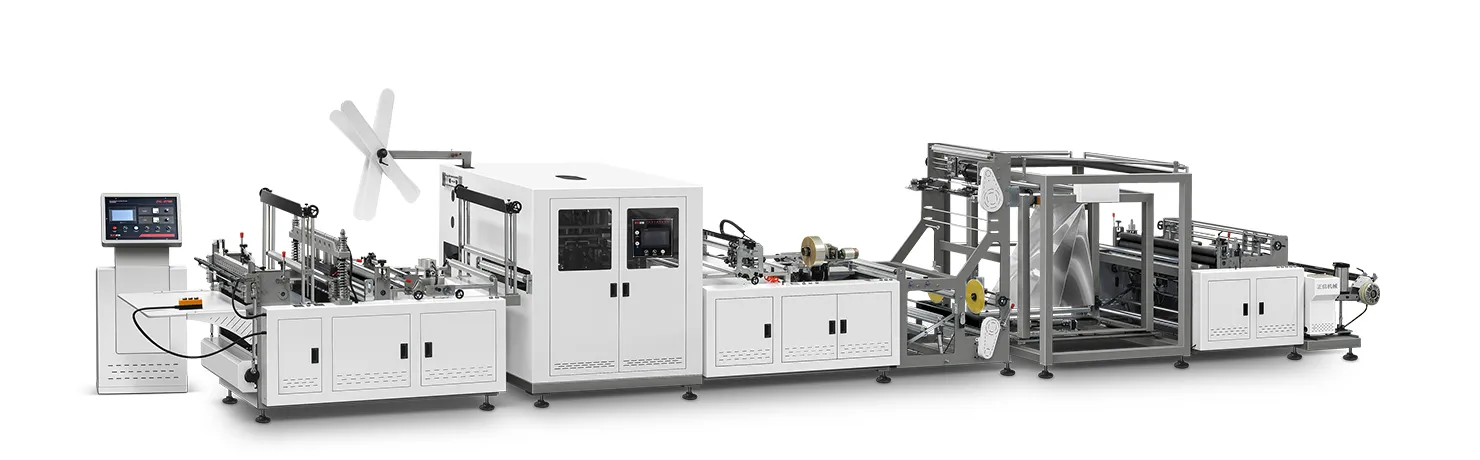
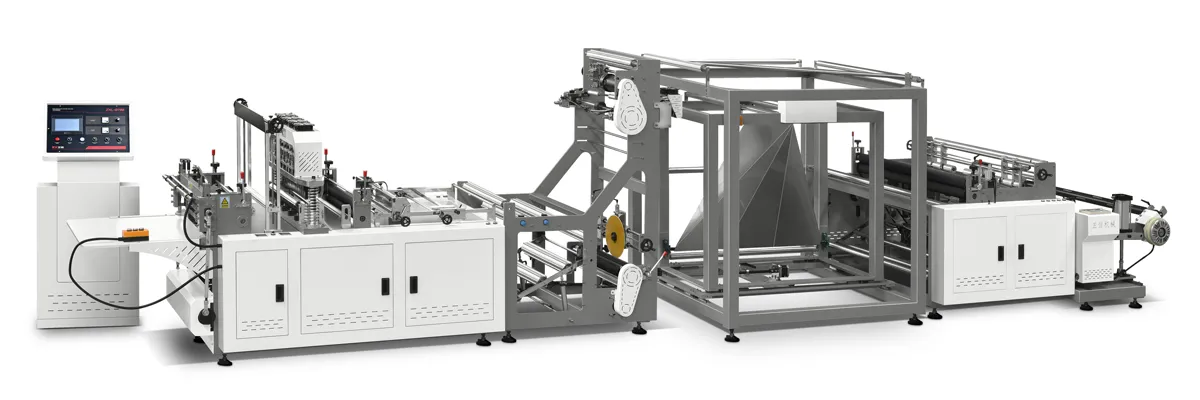
ZXL-E700 Mesin Pembuat Tas Kotak Non-anyaman Dengan Pemasangan Pegangan Oline (5-in-1)
- Teknologi pengelasan ultrasonik: Merevolusi proses tradisional.
- Produksi otomatis yang efisien: Alat bantu yang dahsyat untuk mengurangi biaya dan meningkatkan efisiensi.
- Keserbagunaan dan kemampuan beradaptasi: Memenuhi beragam kebutuhan.
 Bahasa Indonesia
  English
  العربية
  Español
  Русский
  O‘zbekcha
  Қазақ тілі
  Português (AO90)
  Tiếng Việt
  (فارسی (افغانستان
  Kiswahili
  አማርኛ
አማርኛ  தமிழ்
தமிழ்  اردو
اردو  हिन्दी
  বাংলা
বাংলা