
High labor costs, unstable output, and stricter packaging demands are creating pressure for bag manufacturers; without the right machine upgrade, factories may face lower efficiency, higher waste, and lost market opportunities.
In 2026, the latest trends in non woven bag machines focus on intelligent automation, energy efficiency, predictive maintenance, flexible material compatibility, faster changeovers, and more stable quality control. Buyers increasingly prefer machines that reduce labor dependence, improve consistency, and support a wider range of bag types for changing market demands.
These trends are reshaping how manufacturers choose equipment and stay competitive in the packaging industry.
★ Intelligent Automation Is Becoming the Core Trend
One of the most important trends in non woven bag machines for 2026 is the move toward intelligent automation. Buyers no longer focus only on machine speed. They are paying more attention to whether a machine can simplify operation, reduce human error, improve accuracy, and support stable long-term production.
Modern non woven bag machines are increasingly designed with touch-screen controls, cleaner operating interfaces, and more precise automation systems. These features make production easier to manage, especially for factories that want to reduce reliance on highly experienced operators. For many manufacturers, this means lower training costs and more consistent performance across different shifts.
At the same time, intelligent automation also helps factories respond more quickly to changing orders. As customers request more customized bag styles, sizes, and materials, equipment that can handle adjustments efficiently becomes more valuable. In 2026, automation is no longer only about replacing labor. It is about making production smarter, more flexible, and more reliable.
★ Energy Efficiency Is Becoming a Major Buying Factor
Another major trend is the growing demand for energy-saving machine design. In the past, energy efficiency was often considered an extra advantage. In 2026, it has become a key factor in machine selection because it directly affects production costs and long-term profitability.
Bag manufacturers are facing increasing pressure to control costs while also meeting environmental expectations. As a result, machines that offer lower power consumption, reduced material waste, and more stable running performance are becoming more attractive in the market. A machine that saves energy while maintaining output can help manufacturers improve margins over time.
This trend is especially important for companies operating in regions with higher electricity costs or stricter sustainability requirements. For these buyers, choosing an energy-efficient non woven bag machine is not just a technical decision. It is a business strategy that supports both cost control and market positioning.
★ Predictive Maintenance and Stable Operation Are Gaining Attention
In 2026, buyers are also showing stronger interest in machine stability and maintenance management. Traditional equipment maintenance often depends on fixing problems after a breakdown happens. This reactive approach can lead to production delays, wasted material, missed delivery dates, and higher repair costs.
The newer trend is toward predictive maintenance and early fault detection. Manufacturers want machines that can help operators identify problems before they become serious. This may include better monitoring of machine condition, clearer system feedback, and more stable performance during long production runs.
For factories producing large wholesale orders or customized packaging bags, uptime is extremely important. A machine that runs smoothly and reduces unexpected stoppages gives the factory a clear advantage. In this environment, stability is just as important as speed, and reliable machine performance has become one of the strongest selling points in 2026.
★ Flexibility for Bag Types and Materials Is More Valuable Than Ever
The market for non woven bags is becoming more diverse, and machine buyers want equipment that can support multiple bag applications. This is why machine flexibility is one of the latest trends for 2026.
Manufacturers are increasingly looking for machines that can produce different products such as:
- Bolsas de la compra
- Bolsas para cajas
- Bolsas camiseta
- Bolsas de regalo
- Bolsas para alimentos y bebidas
- Bolsas para llevar
- Bolsas aislantes
In addition, compatibility with different materials has become more important. Buyers prefer machines that can handle non-woven fabric, laminated materials, composite fabrics, PP materials, and other related substrates. This wider adaptability allows factories to serve more industries and respond to different customer needs without purchasing multiple specialized machines.
A flexible machine gives manufacturers the ability to expand their business range and reduce investment risk. In 2026, this versatility is one of the key reasons why some machines stand out more than others.
★ Quality Control and Precision Are Becoming More Important
As market competition becomes stronger, customers are expecting better bag quality and more consistent finishing. Because of this, precision and quality control are becoming more important in non woven bag machine design.
Manufacturers want equipment that can maintain accurate sealing, clean cutting, stable handle positioning, and uniform bag dimensions. Better precision reduces defective products, lowers waste, and improves customer satisfaction. It also helps factories build stronger trust with distributors, wholesalers, and end buyers.
For many companies, high output is no longer enough if the finished bags do not meet quality expectations. In 2026, machine buyers are increasingly asking whether a machine can provide both productivity and repeatable quality. This shift is making precision a major trend across the industry.
★ Easier Operation and Faster Changeovers Support Modern Production
Another important trend is the growing demand for simpler machine operation and faster order switching. Factories today often need to handle multiple order types, smaller batch sizes, and customized requirements. Machines that are difficult to adjust can slow down production and increase labor pressure.
That is why buyers now value features such as:
- Simple touch-screen control
- Clear interface design
- Faster setup adjustments
- More convenient format changes
- Reduced operator learning time
These improvements help factories save time when moving from one bag specification to another. They also reduce the risk of setup mistakes. In 2026, machines that combine high automation with easy operation are becoming much more attractive to factory owners and purchasing managers.
★ What the 2026 Trends Mean for Buyers
Overall, the latest trends in non woven bag machines for 2026 show that the industry is moving toward smarter, cleaner, more flexible, and more reliable production. Buyers are no longer choosing machines based only on speed or price. They are also considering automation level, energy efficiency, machine stability, material adaptability, quality performance, and ease of operation.
For manufacturers who want to remain competitive, investing in a machine that matches these trends can help improve efficiency, reduce costs, and support long-term business growth. In a market that is becoming more demanding, the right non woven bag machine is not only a production tool but also a strategic advantage.
The most competitive non woven bag machines in 2026 are those that combine automation, flexibility, stability, and efficient production into one solution.
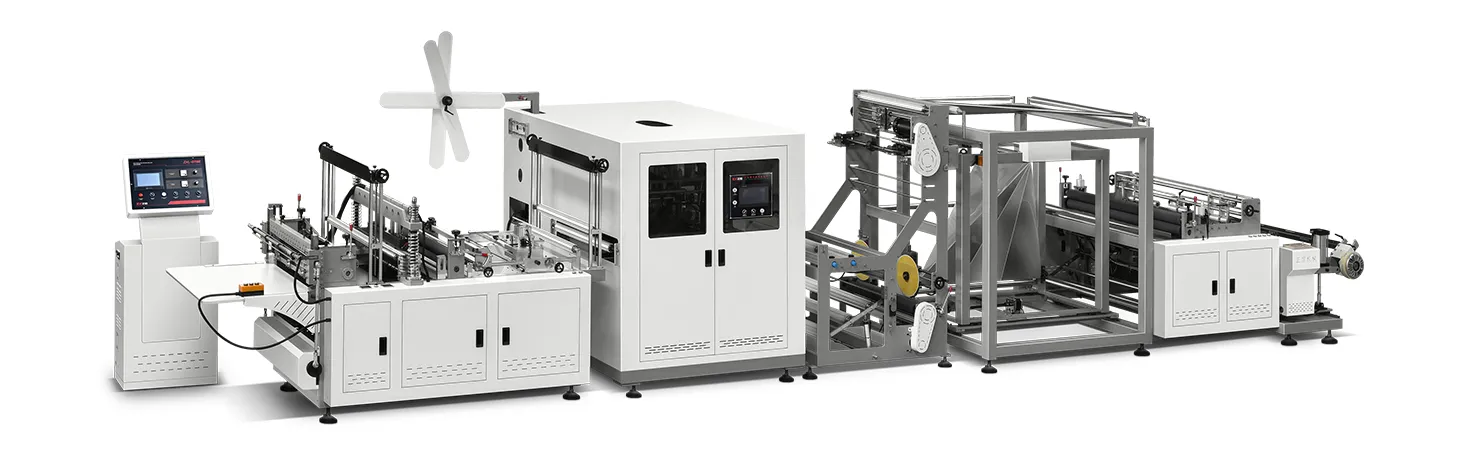
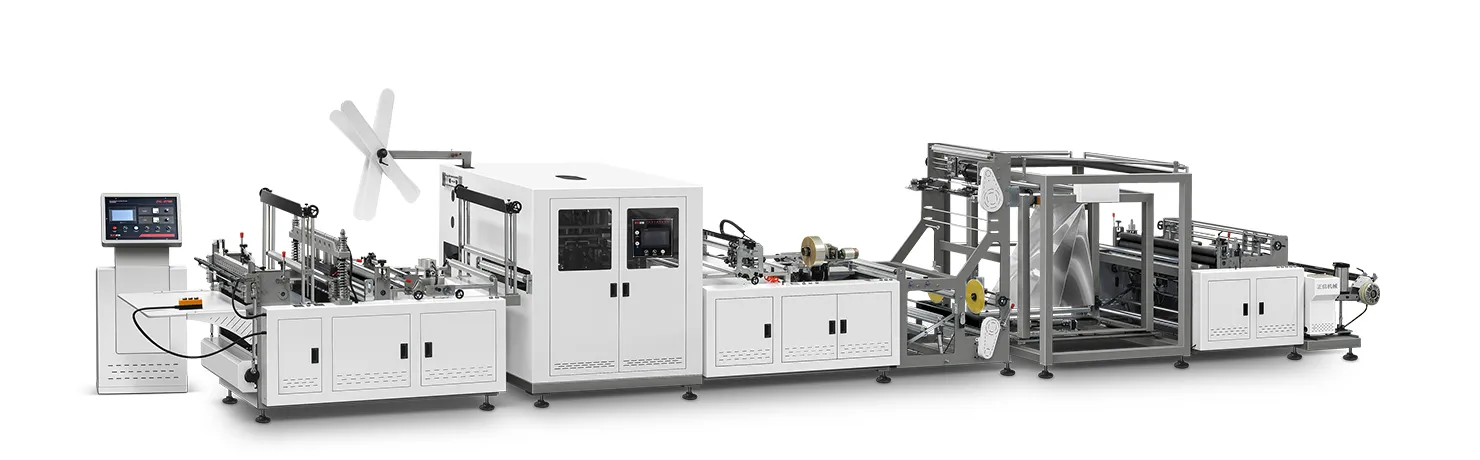
ZXL-D700 Máquina para fabricar bolsas planas no tejidas con asa Oline (4 en 1)
- Moldeo eficaz y preciso, aumento de la capacidad de producción
- Firme y duradero, mejora del proceso
- Adaptación flexible, fácil manejo
 Español
  English
  العربية
  Русский
  O‘zbekcha
  Қазақ тілі
  Português (AO90)
  Tiếng Việt
  (فارسی (افغانستان
  Kiswahili
  አማርኛ
አማርኛ  தமிழ்
தமிழ்  Bahasa Indonesia
  اردو
اردو  हिन्दी
  বাংলা
বাংলা