
Producing non-woven bags can become costly when machine energy consumption is high. Excessive power usage increases operating expenses and reduces profitability. Choosing an energy-efficient non-woven bag making machine helps manufacturers lower production costs while maintaining stable output.
The energy consumption of a non-woven bag making machine depends on machine size, automation level, production speed, ultrasonic welding systems, and operating conditions. Modern fully automatic machines typically consume less energy per bag due to intelligent control systems, optimized motors, and efficient production processes. Selecting an energy-saving machine can significantly reduce manufacturing costs while supporting sustainable production goals.
Understanding machine energy consumption is essential for manufacturers seeking higher efficiency, lower costs, and long-term business growth.
Why Does Energy Consumption Matter in Non-Woven Bag Production?
Energy consumption is one of the most important factors affecting the profitability of non-woven bag manufacturing. While raw materials and labor costs are significant expenses, electricity costs can represent a substantial portion of overall operating costs, especially in regions with high energy prices.
A machine that consumes excessive electricity may appear affordable initially but can generate much higher operational expenses over its service life. Therefore, manufacturers should evaluate both machine purchase price and long-term energy efficiency before making an investment decision.
Modern non-woven bag making machines are increasingly designed with intelligent automation, precision control systems, and energy-saving technologies to reduce power consumption while maintaining high productivity. According to Zhejiang Zhengxin Machinery Co., Ltd., equipment is continuously developing toward intelligent, automated, and precision manufacturing to improve production efficiency and sustainability.
What Factors Affect the Energy Consumption of a Non-Woven Bag Making Machine?
Several key factors determine how much electricity a machine consumes during operation.
1. Machine Automation Level
Fully automatic non-woven bag making machines generally consume more total power than semi-automatic models because they integrate feeding, folding, welding, cutting, and handle attachment systems.
However, automation often reduces energy consumption per bag produced because the machine operates more efficiently and minimizes downtime.
2. Production Speed
Higher production speeds require greater motor output and increased power usage. Machines producing hundreds of bags per minute naturally consume more electricity than slower machines.
Nevertheless, high-speed production usually lowers energy consumption per unit because more bags are produced within the same operating period.
3. Ultrasonic Welding Technology
Ultrasonic welding is one of the most energy-efficient bonding methods used in non-woven bag manufacturing.
Unlike traditional thermal sealing systems, ultrasonic welding directly converts electrical energy into high-frequency mechanical vibrations, reducing heat loss and improving energy utilization. Zhengxin’s equipment utilizes ultrasonic welding technology as an innovation over traditional production methods, helping manufacturers improve efficiency and reduce waste.
4. Motor Efficiency
The quality of motors installed in the machine directly affects energy consumption. High-efficiency servo motors consume less electricity than conventional motors while providing better precision and control.
Machines equipped with advanced servo systems can significantly reduce unnecessary power usage during acceleration, deceleration, and idle operation.
5. Raw Material Type
Different materials require different processing parameters.
For example:
- Standard non-woven fabric
- Laminated non-woven fabric
- RPET materials
- PP woven fabrics
- Composite laminated materials
Some materials require higher ultrasonic power or additional processing steps, which can increase overall electricity consumption. Modern machines designed for multiple material types can optimize settings automatically to maintain energy efficiency.
How Much Electricity Does a Typical Non-Woven Bag Making Machine Consume?
The actual electricity consumption varies depending on machine configuration and production requirements.
Typical ranges include:
| মেশিনের ধরন | Approximate Power Consumption |
|---|---|
| Semi-automatic machine | 5–10 kW |
| Automatic shopping bag machine | 10–20 kW |
| Fully automatic box bag machine | 15–30 kW |
| High-speed multifunctional machine | 20–50 kW |
For example, a fully automatic machine operating at 20 kW for 8 hours per day would consume approximately 160 kWh daily.
Actual operating costs depend on local electricity rates and production schedules.
How Do Modern Machines Reduce Energy Consumption?
Machine manufacturers continuously develop technologies that lower power usage without sacrificing production capacity.
Intelligent Control Systems
Touch-screen control systems allow operators to optimize machine settings quickly and accurately. Advanced monitoring systems reduce unnecessary machine running time and improve overall efficiency. Zhengxin machines feature user-friendly touch color screen controls that simplify operation and enhance production management.
Precision Automation
Automation minimizes human error, reduces material waste, and ensures consistent production quality. Fewer rejected bags mean less wasted energy during manufacturing.
Energy-Efficient Components
Modern machines utilize:
- Servo-driven motors
- Frequency converters
- Optimized transmission systems
- Efficient ultrasonic generators
These components reduce electricity consumption while improving machine performance.
Stable Continuous Operation
Machine stability also contributes to energy savings. Frequent stoppages, maintenance interruptions, and production defects increase power consumption per finished product. Reliable equipment ensures continuous output and better energy utilization. Zhengxin highlights stability and reliability as key machine advantages that support uninterrupted production.
How Can Manufacturers Further Reduce Energy Costs?
Beyond selecting an energy-efficient machine, manufacturers can implement several operational strategies:
- Schedule regular machine maintenance.
- Keep ultrasonic systems properly calibrated.
- Train operators to use optimal production settings.
- Minimize idle machine time.
- Monitor power consumption regularly.
- Use high-quality raw materials to reduce defects.
- Upgrade older equipment to modern automated systems.
These measures can substantially reduce electricity costs over the machine’s lifetime.
Is an Energy-Efficient Machine Worth the Investment?
In most cases, yes.
Although energy-efficient machines may require a higher initial investment, the long-term savings generated through reduced electricity consumption, lower maintenance requirements, and higher productivity often provide a strong return on investment.
For manufacturers producing large volumes of non-woven bags, even small improvements in energy efficiency can lead to significant annual cost savings. Additionally, lower energy consumption supports environmental goals and helps businesses comply with increasingly strict sustainability regulations worldwide.
In competitive markets, reducing production costs while maintaining product quality can provide a valuable advantage and improve overall profitability.
উপসংহার
Energy-efficient non-woven bag making machines reduce operating costs, improve productivity, and support sustainable manufacturing for long-term business success.
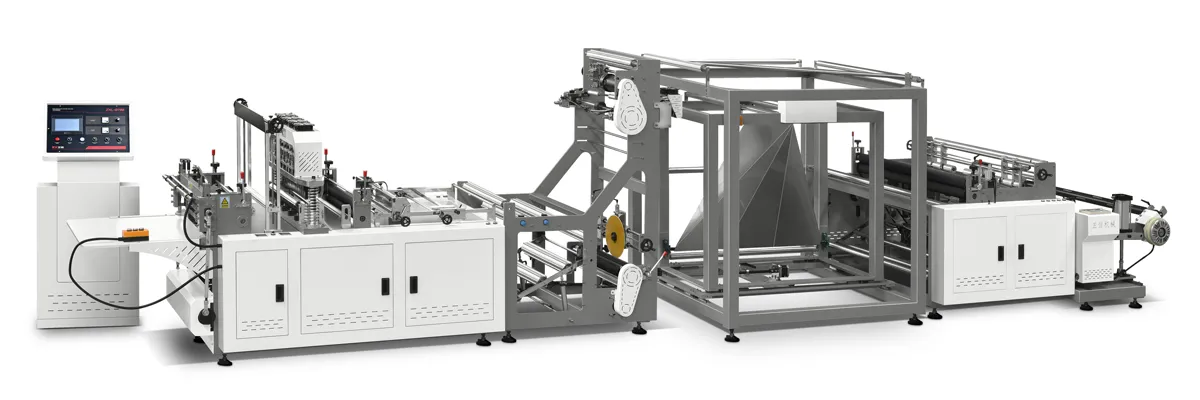
ZXL-A700背心袋无纺布制袋机.webp)
 বাংলা
বাংলা  English
  العربية
  Español
  Русский
  O‘zbekcha
  Қазақ тілі
  Português (AO90)
  Tiếng Việt
  (فارسی (افغانستان
  Kiswahili
  አማርኛ
አማርኛ  தமிழ்
தமிழ்  Bahasa Indonesia
  اردو
اردو  हिन्दी