
১০টি সেরা জিরো-ওয়েস্ট প্লাস্টিক ব্যাগের বিকল্পের মধ্যে রয়েছে নন-ওভেন ফ্যাব্রিক ব্যাগ, আরপিইটি ব্যাগ, পুনর্ব্যবহারযোগ্য কাপড়ের ব্যাগ, কাগজের ব্যাগ, জৈব-বিয়োজ্য ব্যাগ, জালের সবজি ব্যাগ, সিলিকন সংরক্ষণ ব্যাগ, তুলোর টোট ব্যাগ, পাটের বস্তা এবং ভাঁজযোগ্য শপিং বাস্কেট। এর মধ্যে নন-ওভেন ব্যাগগুলো তাদের টেকসইতা, কাস্টমাইজযোগ্যতা এবং পরিবেশবান্ধব উৎপাদনের কারণে বিশেষভাবে আদর্শ।.
পড়তে থাকুন এবং জানতে পারবেন কেন এই পরিবেশবান্ধব বিকল্পগুলো শুধু গ্রহের জন্য নয়, ব্যবসার জন্যও ভালো।.
প্লাস্টিকের ব্যাগে এত খারাপ কী?
প্লাস্টিকের ব্যাগ, একসময় যা চূড়ান্ত সুবিধাজনক পণ্য হিসেবে বিবেচিত হত, আজ আমাদের সময়ের অন্যতম গুরুতর পরিবেশগত উদ্বেগে পরিণত হয়েছে। এই এককালীন ব্যবহারের পণ্যগুলো জৈব-বিক্রিয়াহীন এবং শত শত বছর ধরে বাস্তুতন্ত্রে টিকে থাকে। অনুপযুক্তভাবে ফেলে দিলে প্লাস্টিকের ব্যাগ জলপথ বন্ধ করে, সামুদ্রিক জীবজন্তু ক্ষতিগ্রস্ত করে এবং শহুরে জলাবদ্ধতায় অবদান রাখে। তাছাড়া, মাইক্রোপ্লাস্টিক—প্লাস্টিক ভেঙে ছোট ছোট কণায় পরিণত হলে যেগুলো তৈরি হয়—মাটি দূষিত করে এবং খাদ্যশৃঙ্খলে প্রবেশ করে, যা মানবস্বাস্থ্যকে প্রভাবিত করে।.
অনেক দেশ এই পরিবেশগত বিপদগুলির প্রতিক্রিয়ায় প্লাস্টিক নিষেধাজ্ঞা আরোপ করেছে। তবে টেকসই প্লাস্টিক ব্যাগ নিষেধাজ্ঞার বিকল্প না থাকায় ব্যবসায়ী ও ভোক্তারা খাপ খাইয়ে নিতে হিমশিম খাচ্ছে। আদর্শ বিকল্পগুলো শুধুমাত্র পরিবেশগত ক্ষতি কমাতে নয়, কার্যকরী ও অর্থনৈতিক চাহিদাও পূরণ করতে হবে। এই ক্ষেত্রে নন-ওভেন ফ্যাব্রিকের মতো টেকসই উপকরণগুলো এগিয়ে আসে, দীর্ঘমেয়াদী সুবিধা সহ একটি ব্যবহারিক বিকল্প প্রদান করে।.
প্লাস্টিক ব্যাগের বিকল্পসমূহ
প্লাস্টিক ব্যাগ প্রতিস্থাপনের ক্ষেত্রে এক মাপ সবার জন্য উপযুক্ত নয়। সেরা বিকল্পগুলো ব্যবহারের পরিস্থিতি অনুযায়ী ভিন্ন হয়:
নন-ওভেন ফ্যাব্রিক ব্যাগখুচরা বিক্রয়, মুদি দোকান, ফ্যাশন স্টোর এবং প্রচারমূলক ইভেন্টের জন্য আদর্শ। এই ব্যাগগুলো পুনর্ব্যবহারযোগ্য, কাস্টমাইজযোগ্য, হালকা ও মজবুত। আল্ট্রাসোনিক ওয়েল্ডিং ও অটোমেশন ব্যবহার করে তৈরি, এগুলো স্কেলযোগ্য এবং ব্যাপক উৎপাদনের জন্য উপযুক্ত।.
আরপিইটি ব্যাগ (পুনর্ব্যবহৃত পিইটি)পুনর্ব্যবহৃত উপকরণ ব্যবহারে মনোযোগী গ্রাহকদের জন্য একদম উপযুক্ত। এই ব্যাগগুলো পুনর্ব্যবহৃত প্লাস্টিকের বোতল থেকে তৈরি এবং বুটিক শপ ও উচ্চমানের খুচরা বিক্রেতাদের জন্য একটি প্রিমিয়াম লুক প্রদান করে।.
কাগজের ব্যাগসাধারণত রেস্তোরাঁ, বেকারি এবং পোশাকের দোকানে ব্যবহৃত হয়। জৈব-বিকলনশীল হলেও এগুলো কম টেকসই এবং কম জল-প্রতিরোধী।.
কটন এবং ক্যানভাসের টোট ব্যাগপুনর্ব্যবহারযোগ্য এবং স্টাইলিশ, প্রতিদিন বহনের জন্য, ব্র্যান্ডিং এবং পরিবেশসচেতন ভোক্তাদের জন্য উপযুক্ত। তবে এগুলো বেশি ব্যয়বহুল এবং উৎপাদনে বেশি পানি প্রয়োজন।.
জুট ও হেম্পের ব্যাগজৈব-বিক্রয়যোগ্য এবং টেকসই, কৃষক বাজার ও ইকো-ব্র্যান্ডের জন্য চমৎকার।.
জৈব-বিয়োজ্য প্লাস্টিকের ব্যাগপ্রায়শই আবর্জনার লাইনার বা কৃষিক্ষেত্রে ব্যবহৃত হয়, তবে এখনও সঠিক পচন পরিবেশের অধীন।.
সঠিক উপাদান নির্বাচন নির্ভর করে চূড়ান্ত ব্যবহারকারীর চাহিদা, পণ্যের ওজন এবং ব্র্যান্ডিংয়ের প্রয়োজনীয়তার উপর।.
প্লাস্টিক ব্যাগ প্রস্তুতকারকদের রূপান্তর নির্দেশনা
প্রচলিত প্লাস্টিক ব্যাগ প্রস্তুতকারকদের জন্য, বিশ্বব্যাপী প্লাস্টিক ব্যাগ নিষেধাজ্ঞাগুলো একদিকে যেমন চ্যালেঞ্জ, অন্যদিকে তেমনই বৃদ্ধি পাওয়ার সুযোগও নিয়ে আসে। পরিবেশবান্ধব ব্যাগ উৎপাদনে রূপান্তর নতুন বাজার উন্মোচন করতে পারে এবং নিয়ন্ত্রক চাহিদা পূরণ করতে পারে। এখানে কৌশলগত দিকনির্দেশনাগুলো:
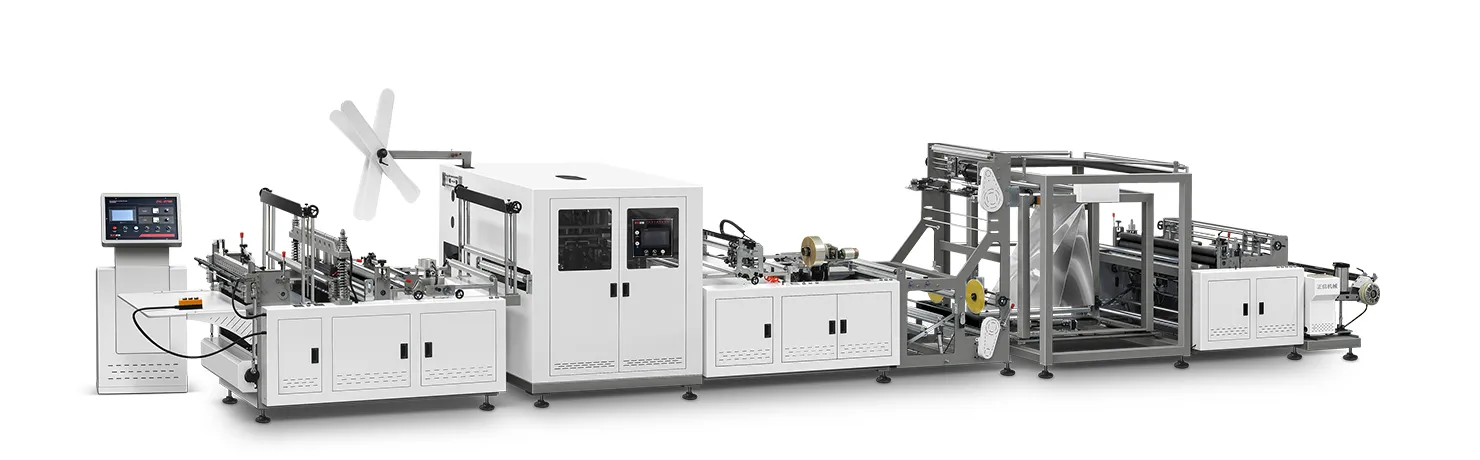
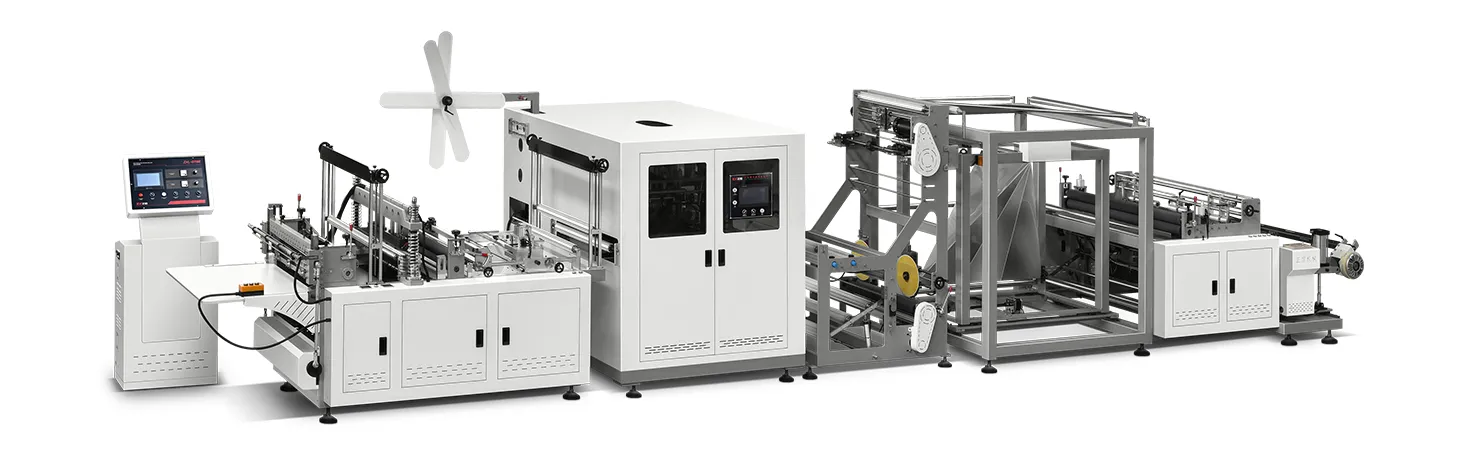
নন-ওভেন ব্যাগ তৈরির প্রযুক্তি গ্রহণ করুনZX-এর নন-ওভেন ব্যাগ তৈরির মেশিনগুলো বিশেষভাবে প্লাস্টিক-নিষিদ্ধ অঞ্চলের জন্য ডিজাইন করা হয়েছে, যা উচ্চ স্বয়ংক্রিয়তা, বহুমুখিতা এবং স্থিতিশীল আউটপুট প্রদান করে। এই মেশিনগুলো শপিং ব্যাগ, টি-শার্ট ব্যাগ, উপহার ব্যাগ, টেকঅ্যাওয়ে ব্যাগ এবং আরও অনেক কিছু তৈরি করতে পারে।.
RPET এবং অন্যান্য টেকসই উপকরণ ব্যবহার করুনকাঁচামাল হিসেবে পুনর্ব্যবহৃত পিইটি বা জৈব-বিয়োডেগ্রেডেবল ফিল্ম অন্তর্ভুক্ত করলে পরিবেশসচেতন ক্রেতাদের কাছে আবেদন বাড়ে।.
উচ্চ-প্রযুক্তির সরঞ্জামে বিনিয়োগ করুনটাচ-স্ক্রিন ইন্টারফেস, আল্ট্রাসোনিক ওয়েল্ডিং এবং মডুলার কনফিগারেশনযুক্ত মেশিনে আপগ্রেড করা স্কেলযোগ্যতা এবং নির্ভুলতা নিশ্চিত করে।.
OEM/ODM সক্ষমতা গড়ে তুলুনকাস্টমাইজড ব্যাগ ডিজাইন এবং ব্যক্তিগত লেবেলিং প্রদান করে, প্রস্তুতকারকরা বৈশ্বিক সরবরাহ শৃঙ্খলে প্রতিযোগিতামূলক খেলোয়াড় হয়ে উঠতে পারে।.
সার্টিফিকেশন এবং সম্মতিপণ্য ও প্রক্রিয়া পরিবেশগত ও নিরাপত্তা মানদণ্ড (যেমন ISO, CE) অনুযায়ী সম্মতি নিশ্চিত করা বিশ্বাস অর্জন এবং বাজারে প্রবেশাধিকার পেতে সহায়তা করে।.
টেকসই উৎপাদনে রূপান্তর বৈশ্বিক পরিবেশগত প্রবণতার সাথে সামঞ্জস্যপূর্ণ এবং লাভজনক দীর্ঘমেয়াদী রিটার্ন প্রদান করে।.
উপসংহার
প্লাস্টিক ব্যাগ নিষেধাজ্ঞা টেকসইতার দিকে বৈশ্বিক পরিবর্তনের সংকেত দেয়। নন-ওভেন ব্যাগ এবং অন্যান্য বিকল্পগুলি ব্যবসায় ও গ্রহ উভয়েরই উপকারে আসে এমন ব্যবহারিক ও পরিবেশবান্ধব সমাধান প্রদান করে।.
 বাংলা
বাংলা  English
  العربية
  Español
  Русский
  O‘zbekcha
  Қазақ тілі
  Português (AO90)
  Tiếng Việt
  (فارسی (افغانستان
  Kiswahili
  አማርኛ
አማርኛ  தமிழ்
தமிழ்  Bahasa Indonesia
  اردو
اردو  हिन्दी