
অস্থিতিশীল মেশিন, অস্পষ্ট কনফিগারেশন এবং দুর্বল সেবা উৎপাদন বিলম্বিত করতে পারে এবং লাভ হ্রাস করতে পারে। আমদানিকারকদের জন্য, সরবরাহকারীকে সতর্কতার সঙ্গে মূল্যায়ন করা ব্যয়বহুল ভুল এড়াতে সাহায্য করে এবং নন-ওভেন ব্যাগ উৎপাদনকে আরও মসৃণ করে তোলে।.
নন-ওভেন ব্যাগ মেশিন কেনার আগে আমদানিকারকদের মেশিনের কনফিগারেশন, ব্যাগের ধরন ও পরিসর, উৎপাদন স্থিতিশীলতা, স্বয়ংক্রিয়তার স্তর, উপকরণ সামঞ্জস্যতা, সরবরাহকারীর অভিজ্ঞতা এবং বিক্রয়োত্তর সহায়তা যাচাই করা উচিত। এই যাচাইকরণ ক্রেতাদের সরবরাহকারীদের বস্তুনিষ্ঠভাবে তুলনা করতে, বিনিয়োগের ঝুঁকি নিয়ন্ত্রণ করতে এবং দীর্ঘমেয়াদী পরিবেশবান্ধব ব্যাগ উৎপাদনের জন্য উপযুক্ত যন্ত্রপাতি নির্বাচন করতে সহায়তা করে।.
নিম্নলিখিত সাতটি বিষয় আমদানিকারকদের আরও তথ্যভিত্তিক ক্রয় সিদ্ধান্ত নিতে সহায়তা করতে পারে।.
১. পরীক্ষা করুন মেশিনটি প্রয়োজনীয় ব্যাগের ধরনগুলোর সাথে মেলে কিনা
✅ আমদানিকারকদের প্রথমে যা নিশ্চিত করতে হবে তা হল যন্ত্রটি তাদের লক্ষ্য বাজারের প্রয়োজনীয় ব্যাগের ধরনগুলো তৈরি করতে পারবে কি না. বিভিন্ন গ্রাহককে প্রয়োজন হতে পারে শপিং ব্যাগ, টি-শার্ট ব্যাগ, বক্স ব্যাগ, হ্যান্ডেল ব্যাগ, খাদ্য ও পানীয় ব্যাগ, পোশাক ব্যাগ, উপহার ব্যাগ, টেকঅ্যাওয়ে ব্যাগ, অথবা অন্যান্য কাস্টমাইজড নন-ওভেন ব্যাগ.
শুধুমাত্র সীমিত ধরনের ব্যাগ সমর্থনকারী একটি যন্ত্র ভবিষ্যতের ব্যবসায়িক সম্প্রসারণে বাধা সৃষ্টি করতে পারে। প্লাস্টিক নিয়ন্ত্রণ নীতিবিশিষ্ট দেশগুলোতে ক্রেতারা প্রায়ই খুচরা বিক্রেতা, সুপারমার্কেট, প্যাকেজিং বিতরণকারী এবং স্থানীয় প্রস্তুতকারকদের কাছ থেকে ভিন্ন ধরনের বাজার চাহিদার সম্মুখীন হন। অতএব, নির্বাচিত যন্ত্রপাতি বর্তমান অর্ডার এবং সম্ভাব্য ভবিষ্যৎ সম্প্রসারণ—উভয়ের সাথেই সামঞ্জস্যপূর্ণ হওয়া উচিত।.
উদাহরণস্বরূপ, একটি বহুমুখী অ-বোনা ব্যাগ মেশিন বিস্তৃত উৎপাদন চাহিদা সমর্থন করতে পারে এবং কারখানাগুলোকে পরিবর্তিত গ্রাহক চাহিদার প্রতি সাড়া দিতে সাহায্য করে। এটি বিশেষ করে তাদের জন্য গুরুত্বপূর্ণ যারা বিভিন্ন শিল্পে বিক্রি করেন বা স্থানীয় প্যাকেজিং সরবরাহকারী হিসেবে কাজ করেন।.
২. মেশিনের কনফিগারেশন সাবধানে পরীক্ষা করুন
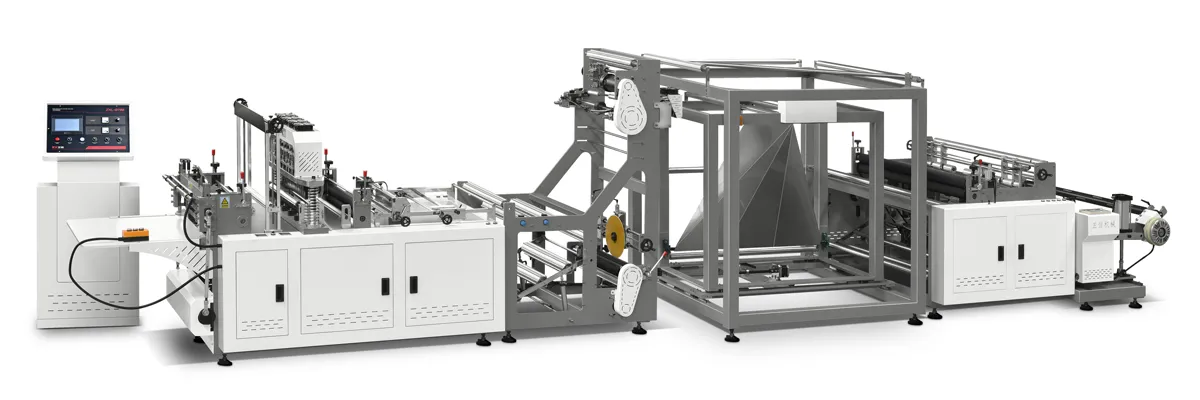
⚙️ মেশিনের কনফিগারেশন সরাসরি উৎপাদন দক্ষতা, স্থিতিশীলতা, পরিচালনার কঠিনতা এবং চূড়ান্ত ব্যাগের গুণমানকে প্রভাবিত করে।. আমদানিকারকদের শুধুমাত্র দামের ভিত্তিতে মেশিন তুলনা করা উচিত নয়। তাদের প্রধান অংশ, নিয়ন্ত্রণ ব্যবস্থা, ওয়েল্ডিং ব্যবস্থা, ফিডিং ব্যবস্থা, কাটিং ব্যবস্থা এবং স্বয়ংক্রিয়তার নকশা পর্যালোচনা করা উচিত।.
A স্পর্শ রঙিন স্ক্রিন নিয়ন্ত্রণ ব্যবস্থা এটি শ্রমিকদের জন্য কাজ সহজ করতে এবং প্রশিক্ষণের কঠিনতা কমাতে পারে। একটি পরিষ্কার ইন্টারফেস উৎপাদন চলাকালীন অপারেটরদের পরামিতিগুলো আরও সুবিধাজনকভাবে সামঞ্জস্য করতে সাহায্য করে। উন্নয়নশীল বাজারের কারখানাগুলির জন্য, সহজ অপারেশন অত্যন্ত অভিজ্ঞ প্রযুক্তিবিদদের ওপর নির্ভরতা কমাতে পারে।.
আমদানিকারকদেরও জানতে হবে যে মেশিনটি ব্যবহার করে কিনা। অতিস্বনক ওয়েল্ডিং প্রযুক্তি. আল্ট্রাসোনিক ওয়েল্ডিং সিলিংয়ের গুণমান উন্নত করতে পারে এবং প্রচলিত সেলাই বা অতিরিক্ত বন্ডিং প্রক্রিয়ার প্রয়োজনীয়তা কমিয়ে দিতে পারে। এটি উৎপাদন সামঞ্জস্যতা উন্নত করতে সাহায্য করে এবং পরিবেশবান্ধব ব্যাগের দক্ষ উৎপাদনকে সমর্থন করে।.
৩. উৎপাদন স্থিতিশীলতা এবং ধারাবাহিক চলমান কর্মক্ষমতা পরীক্ষা করুন
🔍 স্থিতিশীল চলমান কর্মক্ষমতা আমদানিকারকদের জন্য অন্যতম গুরুত্বপূর্ণ উদ্বেগ।. একটি নন-ওভেন ব্যাগ মেশিন ছবি বা ভিডিওতে আকর্ষণীয় দেখাতে পারে, তবে এর প্রকৃত মূল্য নির্ভর করে এটি দৈনন্দিন উৎপাদনে ধারাবাহিক আউটপুট বজায় রাখতে পারে কিনা।.
ঘন ঘন ডাউনটাইম হতে পারে অর্ডার বিলম্ব, উপকরণ অপচয়, উচ্চ শ্রম খরচ, এবং গ্রাহক অভিযোগ. নিজে উৎপাদন ও বিক্রয়ে নির্ভরকারী প্রস্তুতকারকদের জন্য, মেশিনের অস্থিরতা সরাসরি নগদ প্রবাহ এবং বাজার সুনামকে প্রভাবিত করতে পারে।.
আমদানিকারকদের সরবরাহকারীদের কাছে জানতে হবে উৎপাদন ভিডিও, কারখানার পরীক্ষামূলক রেকর্ড, মেশিন পরিচালনার প্রদর্শনী এবং গ্রাহক কেস রেফারেন্স. তাদের এও যাচাই করা উচিত যে সরবরাহকারীর সম্পূর্ণ নন-ওভেন ব্যাগ তৈরির সরঞ্জামে অভিজ্ঞতা আছে কিনা, কারণ অভিজ্ঞ প্রস্তুতকারকরা সাধারণত ব্যবহারিক উৎপাদন সমস্যা সমাধানে আরও দক্ষ।.
৪. উপাদানের সামঞ্জস্য পরীক্ষা করুন
📦 একটি ভালো নন-ওভেন ব্যাগ মেশিন ক্রেতার বাজারের প্রয়োজনীয় কাঁচামাল সমর্থন করা উচিত। কিছু মেশিন প্রক্রিয়া করতে পারে নন-ওভেন খালি ফ্যাব্রিক, লেমিনেটেড যৌগিক ফ্যাব্রিক, পিপি, স্বচ্ছ ফিল্ম, বোনা উপকরণ, এবং লেমিনেটেড ফ্যাব্রিক. বিস্তৃত উপকরণ সামঞ্জস্যতা প্রস্তুতকারকদের কাস্টমাইজড ব্যাগ তৈরি করার সময় আরও নমনীয়তা প্রদান করে।.
এই বিষয়টি গুরুত্বপূর্ণ কারণ বিভিন্ন বাজার বিভিন্ন ধরনের ব্যাগের চেহারা, শক্তি এবং মুদ্রণ প্রভাব পছন্দ করতে পারে।. লেমিনেটেড ব্যাগ প্রিমিয়াম খুচরা প্যাকেজিংয়ের জন্য ব্যবহার করা যেতে পারে, অন্যদিকে স্ট্যান্ডার্ড নন-ওভেন ব্যাগ সুপারমার্কেট, প্রচারমূলক ব্যবহার এবং দৈনন্দিন কেনাকাটার জন্য উপযুক্ত হতে পারে।.
আমদানিকারকদের নিশ্চিত করা উচিত উপাদানের পুরুত্ব, কাপড়ের প্রস্থ, উপযুক্ত রোল স্পেসিফিকেশন, এবং মেশিনটি বিভিন্ন উপকরণে স্থিতিশীল কর্মক্ষমতা বজায় রাখতে পারে কিনা।. ক্রয়ের আগে স্পষ্ট নিশ্চিতকরণ ইনস্টলেশনের পর উত্পাদনজনিত সমস্যা কমাতে পারে।.
৫. অটোমেশন স্তর এবং শ্রম খরচের সুবিধা পরীক্ষা করুন
🚀 উৎপাদন খরচ কমানোর ক্ষেত্রে অটোমেশন একটি গুরুত্বপূর্ণ উপাদান।. একটি সম্পূর্ণ স্বয়ংক্রিয় নন-ওভেন ব্যাগ তৈরির মেশিন দক্ষতা উন্নত করতে, ম্যানুয়াল অপারেশন কমাতে এবং আরও সামঞ্জস্যপূর্ণ উৎপাদন নিশ্চিত করতে সহায়তা করে।.
যে অঞ্চলে শ্রমের খরচ বাড়ছে বা দক্ষ অপারেটর সীমিত, সেখানে আমদানিকারকদের জন্য অটোমেশন প্রতিযোগিতামূলক সক্ষমতা উন্নত করতে পারে। এটি কারখানাকে কম কর্মী নিয়ে বড় অর্ডার সম্পন্ন করতে সাহায্য করতে পারে। এটি তাদের জন্য গুরুত্বপূর্ণ যারা সেবা প্রদান করে সুপারমার্কেট, বিতরণকারী, পাইকারী বিক্রেতা এবং প্যাকেজিং কোম্পানি.
তবে ক্রেতাদের শুধুমাত্র যন্ত্রটি “স্বয়ংক্রিয়” কিনা জিজ্ঞাসা করা উচিত নয়। তাদের বুঝতে হবে কোন প্রক্রিয়াগুলো স্বয়ংক্রিয়, যেমন খাদ্য প্রদান, ভাঁজ করা, ওয়েল্ডিং, কাটা, হ্যান্ডেল সংযুক্তি, গণনা এবং সংগ্রহ. আমদানিকারকরা যত বেশি স্বচ্ছভাবে অটোমেশন প্রক্রিয়াটি বুঝবেন, প্রকৃত উৎপাদন খরচ হিসাব করা ততই সহজ হবে।.
৬. সরবরাহকারীর অভিজ্ঞতা, সার্টিফিকেশন এবং রপ্তানি সক্ষমতা যাচাই করুন
🏭 সরবরাহের পটভূমি আরেকটি গুরুত্বপূর্ণ কারণ।. আমদানিকারকদের মূল্যায়ন করা উচিত যে প্রস্তুতকারকের দীর্ঘমেয়াদী অভিজ্ঞতা, প্রযুক্তিগত কর্মী, উৎপাদন লাইন, ইনস্টলেশন সক্ষমতা এবং আন্তর্জাতিক সেবা অভিজ্ঞতা রয়েছে কি না।.
ঝেজিয়াং ঝেংজিন মেশিনারি কো., লিমিটেড চীনের ওয়েনঝৌর পিংয়াং-এ অবস্থিত এবং দশ বছরেরও বেশি সময় ধরে নন-ওভেন ব্যাগ তৈরির সম্পূর্ণ সরঞ্জাম তৈরিতে অভিজ্ঞ।. কোম্পানিটি ডিজাইন, উন্নয়ন, উৎপাদন, ইনস্টলেশন এবং সেবা সহায়তা প্রদান করে, এবং এর সরঞ্জাম চল্লিশটিরও বেশি দেশে গ্রাহকদের দ্বারা ব্যবহৃত হয়েছে।.
আমদানিকারকদের জন্য, এই ধরনের সরবরাহকারীর পটভূমি গুরুত্বপূর্ণ হতে পারে কারণ মেশিন কেনা এককালীন সহজ লেনদেন নয়। ক্রেতাদের প্রয়োজন হতে পারে প্রযুক্তিগত যোগাযোগ, কাস্টমাইজড কনফিগারেশন, শিপিং সহায়তা, ইনস্টলেশন নির্দেশিকা, অতিরিক্ত যন্ত্রাংশ এবং বিক্রয়োত্তর সেবা.
সার্টিফিকেশনগুলোও যাচাই করা উচিত। প্রাসঙ্গিক সার্টিফিকেটগুলো ক্রেতাদের পরিচালনায় সহায়তা করতে পারে। শুল্ক ছাড়পত্র, স্থানীয় সম্মতি, এবং গ্রাহক আস্থা. আমদানিকারকদের অর্ডার দেওয়ার আগে নথিপত্র অনুরোধ করা উচিত।.
৭. বিক্রয়োত্তর সেবা এবং দীর্ঘমেয়াদী সহায়তা পরীক্ষা করুন
🛠️ বিক্রয়োত্তর সেবা প্রায়ই প্রাথমিক মূল্য পার্থক্যের চেয়ে বেশি গুরুত্বপূর্ণ।. যদি সরবরাহকারী ইনস্টলেশন, প্রশিক্ষণ, সমস্যা সমাধান বা যন্ত্রাংশ সরবরাহ করতে সমর্থ না হয়, তাহলে কম উদ্ধৃতি খরচ-কার্যকর নাও হতে পারে।.
আমদানিকারকদের জানতে হবে সরবরাহকারীর কাছে আছে কি না। বিদেশে বিক্রয়োত্তর প্রকৌশলীরা, দূরবর্তী প্রযুক্তিগত সহায়তা, পরিচালন ম্যানুয়াল, প্রশিক্ষণ ভিডিও, যন্ত্রাংশের প্রাপ্যতা এবং প্রতিক্রিয়া পদ্ধতি. এই বিবরণগুলি মেশিনটি ক্রেতার কারখানায় পৌঁছানোর পর ঝুঁকি কমাতে সাহায্য করে।.
নতুন বিনিয়োগকারী বা প্লাস্টিক ব্যাগ প্রস্তুতকারকদের জন্য, যারা নন-ওভেন ব্যাগ উৎপাদনে রূপান্তরিত হচ্ছেন, বিক্রয়োত্তর নির্দেশনা বিশেষভাবে মূল্যবান। অনেক ক্রেতা শুরুতে মেশিনের পরিচালনা পুরোপুরি বুঝতে নাও পারেন।. পেশাদার সহায়তা তাদের উৎপাদন দ্রুত শুরু করতে এবং অপ্রয়োজনীয় ক্ষতি এড়াতে সাহায্য করতে পারে।.
আমদানিকারকদের জন্য অতিরিক্ত ক্রয় পরামর্শ
📌 আমদানিকারকদের তুলনা করা উচিত শুধুমাত্র যন্ত্রের মূল্য নয়, বরং মোট মূল্য. একটি উপযুক্ত নন-ওভেন ব্যাগ মেশিনকে প্রদান করতে হবে স্থিতিশীল আউটপুট, নমনীয় ব্যাগ উৎপাদন, সহজ পরিচালনা, শক্তি-সাশ্রয়ী কর্মক্ষমতা, এবং নির্ভরযোগ্য প্রযুক্তিগত সহায়তা.
তাদের উচিত কোটেশন দাখিলের আগে সরবরাহকারীর সাথে নিম্নলিখিত বিস্তারিত প্রয়োজনীয়তাগুলি ভাগ করা:
- টার্গেট ব্যাগের ধরন
- ব্যাগের আকার
- উপকরণ
- প্রত্যাশিত উৎপাদন ক্ষমতা
- ভোল্টেজ
- কর্মশালার বিন্যাস
- গন্তব্য দেশ
তথ্য যত বেশি সম্পূর্ণ হবে, মেশিনের সুপারিশ ততই সঠিক হবে।.
B2B ক্রেতাদের জন্য, ক্রয় সিদ্ধান্তে স্থানীয় বাজারের চাহিদাও বিবেচনা করা উচিত। প্লাস্টিক নিষেধাজ্ঞা আরোপিত দেশগুলোতে পরিবেশবান্ধব ব্যাগের চাহিদা বেশি হতে পারে, তবে প্রতিযোগিতাও বাড়তে পারে। এমন সরঞ্জাম নির্বাচন করা যা বহুমুখিতা এবং স্কেলেবিলিটি উৎপাদকদের বিভিন্ন শিল্পে সেবা দিতে এবং পণ্য লাইন সম্প্রসারিত করতে সাহায্য করতে পারে।.
একটি নির্ভরযোগ্য নন-ওভেন ব্যাগ তৈরির মেশিনকে সমর্থন করা উচিত। দীর্ঘমেয়াদী ব্যবসায়িক বৃদ্ধি, শুধুমাত্র প্রাথমিক উৎপাদন নয়। যারা কনফিগারেশন, স্থিতিশীলতা, সরবরাহকারীর সক্ষমতা এবং বিক্রয়োত্তর সেবা যাচাই করেন, তারা প্রকৃত কারখানার চাহিদা পূরণ করে এমন যন্ত্রপাতি পাওয়ার সম্ভাবনা বেশি।.
ক্রয়ের আগে সতর্কতার সঙ্গে যাচাই করলে আমদানিকারকরা ঝুঁকি কমাতে, খরচ নিয়ন্ত্রণ করতে এবং আরও স্থিতিশীল নন-ওভেন ব্যাগ উৎপাদন ব্যবসা গড়ে তুলতে পারেন।.
ZXL-A700背心袋无纺布制袋机.webp)
 বাংলা
বাংলা  English
  العربية
  Español
  Русский
  O‘zbekcha
  Қазақ тілі
  Português (AO90)
  Tiếng Việt
  (فارسی (افغانستان
  Kiswahili
  አማርኛ
አማርኛ  தமிழ்
தமிழ்  Bahasa Indonesia
  اردو
اردو  हिन्दी