
Các quy định hạn chế sử dụng nhựa, chi phí nhân công tăng cao và chất lượng túi không đồng đều đang gây áp lực lên các nhà sản xuất; Nếu không có thiết bị hiện đại hơn, biên lợi nhuận sẽ thu hẹp. Máy sản xuất túi không dệt tiên tiến cung cấp một giải pháp có khả năng mở rộng.
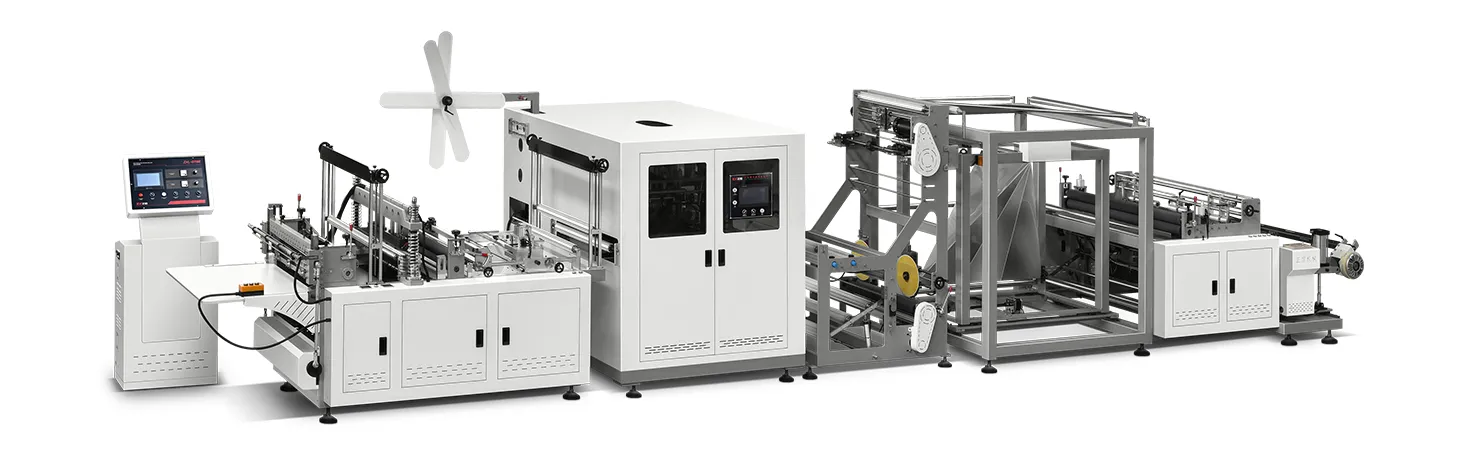
Những đổi mới trong công nghệ máy sản xuất túi không dệt đang cách mạng hóa ngành đóng gói nhờ tự động hóa, công nghệ hàn siêu âm, khả năng tương thích với nhiều loại vật liệu và quy trình sản xuất tiết kiệm năng lượng. Những tiến bộ này giúp các nhà sản xuất tạo ra những chiếc túi bền hơn, có thể tùy chỉnh và thân thiện với môi trường với tốc độ cao hơn, giảm sự phụ thuộc vào lao động và đảm bảo chất lượng ổn định hơn, từ đó biến thiết bị hiện đại trở thành lựa chọn thiết thực cho các doanh nghiệp đang thích ứng với các lệnh cấm sử dụng nhựa và nhu cầu thị trường luôn thay đổi.
Các phần sau đây sẽ giải thích lý do tại sao những đổi mới về máy móc này lại quan trọng đối với các nhà sản xuất bao bì hướng tới tương lai.
✦ Tại sao các nhà sản xuất bao bì cần quy trình sản xuất thông minh hơn
Ngành công nghiệp bao bì đang trải qua một giai đoạn thay đổi cơ cấu. Các chính phủ đang siết chặt các quy định đối với các sản phẩm nhựa dùng một lần, trong khi các nhà bán lẻ lại yêu cầu nhiều hơn các giải pháp thay thế có thể tái sử dụng. Đồng thời, người tiêu dùng ngày càng mong đợi những loại bao bì kết hợp độ bền, vẻ ngoài và trách nhiệm với môi trường.
Trong bối cảnh này, túi không dệt đã trở thành một phân khúc quan trọng. Chúng được sử dụng rộng rãi để mua sắm, khuyến mãi, giao đồ ăn, quà tặng, thời trang và các ứng dụng khác phục vụ nhu cầu hàng ngày.
Tuy nhiên, cơ hội thị trường thôi thì chưa đủ để đảm bảo lợi nhuận. Các nhà sản xuất vẫn phải đối mặt với những thách thức phổ biến trong sản xuất, bao gồm sản phẩm đầu ra không ổn định, phụ thuộc nhiều vào nhân công, thời gian chuyển đổi dây chuyền chậm, kiểu dáng túi hạn chế và chất lượng hoàn thiện không đồng đều.
Các phương pháp sản xuất truyền thống thường gặp khó khăn trong việc đáp ứng nhu cầu ngày càng tăng đối với tốc độ, tính nhất quán và khả năng tùy chỉnh. Đó là lý do tại sao tương lai của ngành bao bì gắn liền với sự phát triển của nhiều máy sản xuất túi không dệt thông minh.
✦ Tự động hóa đang trở thành lợi thế cạnh tranh cốt lõi
Một trong những đổi mới quan trọng nhất trong lĩnh vực máy sản xuất túi không dệt là xu hướng chuyển dịch dần sang tự động hóa.
Thiết bị hiện đại ngày càng được tích hợp nhiều hơn hệ thống điều khiển màn hình cảm ứng, giao diện vận hành trực quan hơn và cài đặt thông số đơn giản hơn. Những tính năng này giúp rút ngắn thời gian làm quen cho người vận hành và nâng cao khả năng kiểm soát quy trình sản xuất.
Sản xuất tự động rất quan trọng vì nó tác động trực tiếp đến cơ cấu chi phí và tính ổn định của sản lượng. Khi các thao tác của máy móc trở nên chính xác hơn và ít phụ thuộc vào việc điều chỉnh thủ công hơn, các nhà sản xuất có thể giảm thiểu lãng phí, nâng cao độ lặp lại và duy trì hoạt động sản xuất diễn ra suôn sẻ với ít gián đoạn hơn.
Đối với các nhà máy nhận các đơn hàng số lượng lớn, điều này có nghĩa là tăng cường sự tự tin trong việc giao hàng. Đối với các nhà sản xuất quy mô nhỏ, điều này tạo ra cơ hội để cạnh tranh với độ đặc cao hơn và áp suất vận hành thấp hơn.
➤ Tự động hóa cũng giúp đáp ứng nhanh hơn trước những thay đổi về nhu cầu. Khi một máy móc có thể được điều chỉnh hiệu quả hơn để phù hợp với các thông số kỹ thuật khác nhau, các nhà sản xuất sẽ có điều kiện thuận lợi hơn để phục vụ nhu cầu đa dạng của khách hàng mà không làm mất quá nhiều thời gian sản xuất.
✦ Công nghệ hàn siêu âm đang giúp nâng cao chất lượng túi
Một bước đột phá quan trọng khác là việc ứng dụng rộng rãi hơn công nghệ hàn siêu âm.
Quy trình này giúp thay thế hoặc cải tiến các phương pháp nối truyền thống bằng cách tạo ra các lớp đệm kín sạch hơn, chắc chắn hơn và đồng đều hơn. Trong quá trình sản xuất túi không dệt, chất lượng hàn kín có ảnh hưởng trực tiếp đến độ bền của túi, hình thức bên ngoài và mức độ hài lòng của khách hàng.
Đối với người mua, các điểm hàn kém chất lượng có thể dẫn đến khiếu nại, trả hàng hoặc tổn hại đến uy tín thương hiệu. Đối với các nhà sản xuất, việc niêm phong không đồng nhất sẽ làm tăng lãng phí nguyên vật liệu và áp lực kiểm soát chất lượng.
Hàn siêu âm giải quyết những vấn đề này bằng cách nâng cao độ chính xác và góp phần tạo ra các dây chuyền hoàn thiện sạch hơn. Điều này đặc biệt hữu ích trong các ứng dụng mà túi được dự kiến sẽ chứa hàng tạp hóa, hàng khuyến mãi, thực phẩm mang về, quần áo hoặc đồ lưu niệm.
➤ Khi các tiêu chuẩn về bao bì ngày càng khắt khe hơn, Vẻ ngoài đang trở nên gần như quan trọng ngang ngửa với chức năng. Một chiếc túi trông gọn gàng, đồng nhất và được hoàn thiện một cách chuyên nghiệp sẽ có nhiều khả năng được chấp nhận hơn trên thị trường bán lẻ và thị trường bao bì thương hiệu.
Chính vì lý do này, công nghệ siêu âm hỗ trợ cả hai hiệu suất chức năng và giá trị thương mại.
✦ Máy đa chức năng mở rộng cơ hội thị trường
Tương lai của ngành bao bì sẽ không thuộc về thiết bị chuyên dụng một mình. Người mua ngày càng ưa chuộng những máy móc có thể sản xuất các kiểu túi khác nhau và xử lý được nhiều loại vật liệu hơn.
Đây chính là nơi tính đa chức năng trở thành một bước đột phá quan trọng.
Các máy sản xuất túi không dệt tiên tiến có thể đáp ứng việc sản xuất nhiều loại túi khác nhau, bao gồm:
- Túi xách
- Túi hộp
- Túi đựng thực phẩm và đồ uống
- Túi quà
- Túi đựng quần áo
- Túi đựng giày
- Túi đựng đồ mang về
- Túi cách nhiệt
Một số máy móc còn được thiết kế để gia công nhiều loại vật liệu khác nhau, chẳng hạn như vải không dệt, vải composite nhiều lớp, vật liệu PP, màng trong suốt, vải dệt và vải nhiều lớp.
➤ Sự linh hoạt này rất quan trọng vì nhu cầu về bao bì không còn tập trung vào một định dạng tiêu chuẩn duy nhất. Khách hàng mong muốn các hình dạng được thiết kế riêng, các cấu trúc tay cầm đa dạng, bề mặt in ấn và hiệu suất cao hơn cho các mục đích sử dụng cụ thể.
Một hệ thống có khả năng thích ứng cao hơn sẽ tạo điều kiện cho các nhà sản xuất mở rộng sang các dòng sản phẩm mới mà không cần đầu tư vào nhiều hệ thống riêng lẻ, không liên kết với nhau.
✦ Hiệu suất môi trường giờ đây đã trở thành một tính năng của máy
Tính bền vững không còn chỉ giới hạn ở sản phẩm túi thành phẩm. Nó cũng đang trở thành một phần của lựa chọn thiết bị.
Các nhà sản xuất ngày càng chú trọng đánh giá xem một máy móc có hỗ trợ sản xuất thân thiện với môi trường hơn thông qua giảm thiểu chất thải, sử dụng năng lượng hiệu quả hơn và nâng cao hiệu suất sử dụng nguyên liệu.
Những tiến bộ trong lĩnh vực điều khiển thông minh và gia công chính xác có thể giúp giảm thiểu tổn thất nguyên liệu không cần thiết trong quá trình vận hành. Quá trình sản xuất ổn định hơn cũng đồng nghĩa với việc ít túi bị lỗi hơn, giúp nâng cao hiệu quả sử dụng tài nguyên.
Điều này có ý nghĩa quan trọng trong một thị trường mà các tuyên bố về môi trường đang được xem xét kỹ lưỡng hơn và hiệu quả hoạt động có ảnh hưởng trực tiếp đến năng lực cạnh tranh lâu dài.
➤ Đối với các doanh nghiệp hoạt động tại các quốc gia hoặc trong các ngành bị ảnh hưởng bởi các lệnh cấm sử dụng nhựa, khả năng của máy móc hiện nay phụ thuộc vào định vị chiến lược. Các thiết bị hỗ trợ sản xuất túi tái sử dụng với hiệu quả sử dụng tài nguyên cao phù hợp hơn với định hướng chính sách và thị trường trong tương lai so với các hệ thống lỗi thời, kém linh hoạt.
✦ Tính ổn định, khả năng mở rộng và giá trị lâu dài
Nhìn về tương lai, những máy sản xuất túi không dệt có giá trị nhất sẽ không chỉ đơn thuần là nhanh hơn. Chúng sẽ còn ổn định, có khả năng mở rộng và bền vững về mặt kinh tế.
Hoạt động ổn định là yếu tố thiết yếu đối với các nhà máy phụ thuộc vào sản lượng liên tục và việc thực hiện đơn hàng có thể dự đoán được. Tình trạng ngừng hoạt động thường xuyên hoặc hiệu suất không ổn định có thể nhanh chóng làm mất đi mọi mức tăng năng suất trên lý thuyết.
Khả năng mở rộng cũng quan trọng không kém. Khi một doanh nghiệp đóng gói phát triển, thiết bị cần phải đáp ứng được nhu cầu mở rộng về quy mô, sự đa dạng và mức độ phức tạp.
Các máy móc được thiết kế với hệ thống điều khiển thông minh, các chức năng tự động và khả năng thích ứng cao có thể giúp các doanh nghiệp nâng cấp dần dần thay vì thay thế toàn bộ dây chuyền sản xuất quá sớm.
➤ Theo nghĩa này, sự đổi mới trong lĩnh vực máy sản xuất túi không dệt không chỉ dừng lại ở khía cạnh công nghệ. Điều này còn nhằm giúp các nhà sản xuất xây dựng một… ngành kinh doanh bao bì có khả năng chống chịu cao.
Khi nhu cầu về túi tái sử dụng và có thể tùy chỉnh ngày càng tăng, các nhà máy đầu tư vào thiết bị hiệu quả, đáng tin cậy và đa năng có nhiều khả năng giành được những lợi thế lâu dài trong chi phí, chất lượng và khả năng đáp ứng thị trường.
Sự đổi mới trong công nghệ máy sản xuất túi không dệt sẽ quyết định khả năng cạnh tranh trong lĩnh vực đóng gói thông qua tự động hóa, tính linh hoạt, độ ổn định và khả năng sản xuất thân thiện hơn với môi trường.
ZXL-A700背心袋无纺布制袋机.webp)
 Tiếng Việt
  English
  العربية
  Español
  Русский
  O‘zbekcha
  Қазақ тілі
  Português (AO90)
  (فارسی (افغانستان
  Kiswahili
  አማርኛ
አማርኛ  தமிழ்
தமிழ்  Bahasa Indonesia
  اردو
اردو  हिन्दी
  বাংলা
বাংলা