
Rising packaging demand meets high setup costs; poor planning can drain cash and delay payback. A structured investment model helps buyers control risk and build profitable capacity.
The investment cost of a non woven bag plant usually includes land or rent, workshop preparation, bag making machines, printing equipment, raw materials, labor, utilities, and maintenance. Total spending depends on output targets, bag types, automation level, and local operating costs. Careful equipment selection and production planning can reduce waste, improve efficiency, and shorten the return period.
A clear cost breakdown helps investors compare options and avoid expensive mistakes before launching production.
Why Investment Cost Matters
A non woven bag plant is often seen as an attractive manufacturing project because demand for reusable and eco-friendly bags continues to rise in many markets. Countries with plastic restrictions, supermarkets shifting to sustainable packaging, and local brands seeking customized bags all create business opportunities. However, investment cost is never limited to the machine price alone. A realistic budget must cover the full production chain, from plant preparation to post-installation support, before the first finished bag reaches the customer.
1. Factory Space and Workshop Preparation
The first major cost area is the factory site itself. Some investors already own industrial space, while others need to rent or purchase a workshop. This cost changes widely by region, but the plant must still provide enough room for:
- Raw material storage
- Machine operation
- Finished goods packing
- Internal movement and loading
In addition, workshop preparation may require:
- Electrical upgrades
- Compressed air systems
- Ventilation
- Lighting
- Safety markings
- Loading areas
These hidden preparation expenses are often underestimated, yet they directly affect production stability và daily efficiency.
2. Equipment Cost: The Core Investment
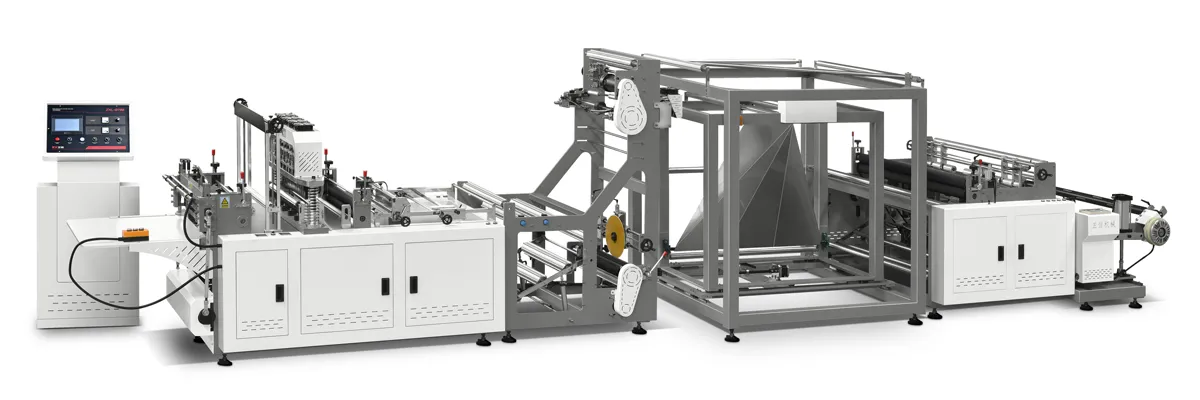
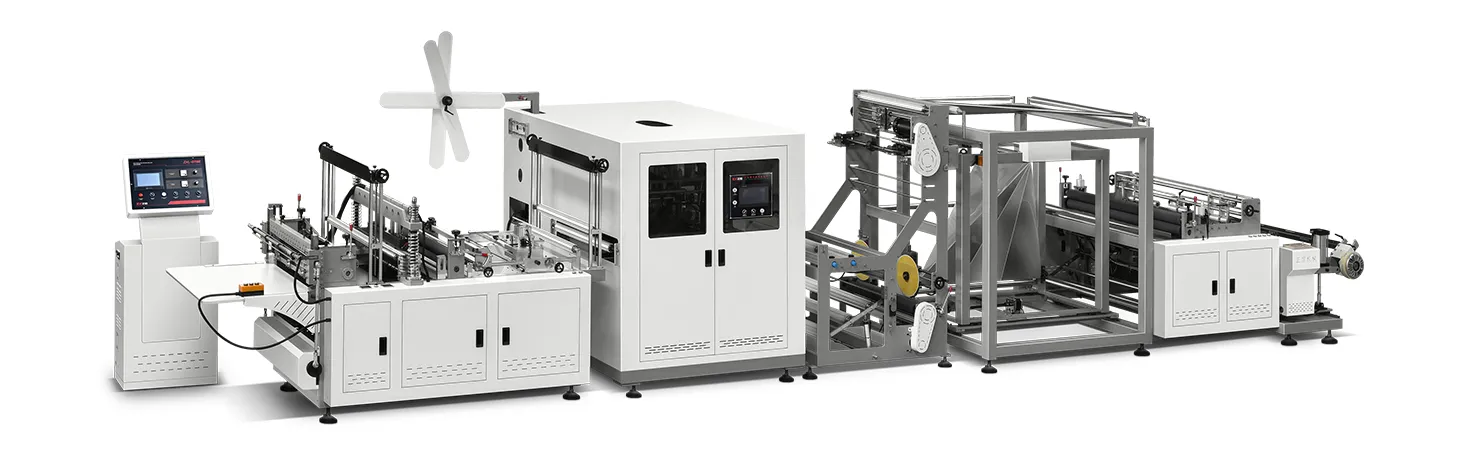
The second and most visible cost is equipment. For many projects, the core investment centers on the Máy sản xuất túi không dệt. The final figure depends on:
- Required bag styles
- Target production speed
- Mức độ tự động hóa
- Whether printing, slitting, or laminating equipment is needed
Investors planning to serve multiple industries may prefer equipment with broader material adaptability and the ability to produce:
- Túi xách
- Túi hộp
- Food bags
- Túi quà
- Túi đựng đồ mang về
- Garment bags
Advanced systems with Điều khiển bằng màn hình cảm ứng, automatic functionsvà stable continuous output generally require higher initial spending, but they may lower labor cost and reduce production errors over time.
According to the uploaded company materials, modern non-woven bag equipment is increasingly developing toward intelligent, automated, and precise production, while key advantages include:
- Công nghệ hàn siêu âm
- Efficient automation
- Multifunctionality
- Environmental performance
- Stability
- Scalability
3. Printing Equipment and Value-Added Production
Printing capacity is another important investment decision. A plant focused on plain bags may start with lower capital input, but customized printed bags often offer stronger margins and wider commercial appeal.
Adding a non woven printing machine increases the project budget, yet it can expand the plant’s service range and help attract customers who want:
- Branding bags
- Retail packaging
- Túi quảng cáo
- Export-ready orders
For investors entering competitive markets, the ability to combine bag making and printing under one roof may improve order value and delivery control.
4. Raw Material and Working Capital
Raw materials also require serious financial planning. Non woven fabric, laminated material, RPET inputs, ink, packaging supplies, and accessories must be purchased before revenue begins to flow.
The required amount depends on:
- Order size
- Machine speed
- Safety stock level
- Trial production needs
Buying too little can interrupt production, while buying too much can tie up working capital. A practical investment plan should therefore estimate at least:
- The first production cycle’s material needs
- A reserve for trial runs
- Color matching costs
- Quality adjustment costs
5. Labor, Training, and Technical Support
Labor and training form another core part of plant cost. Even highly automated equipment still needs:
- Operators
- Quality inspectors
- Packers
- Technicians
- Supervisors
Wages vary by country, but training quality often matters more than headcount in the early stage. Poorly trained staff may cause:
- Material waste
- Kết quả không ổn định
- Unnecessary machine downtime
Investors should budget for onboarding, technical instructionvà Hỗ trợ sau bán hàng, especially when installing new equipment or launching unfamiliar bag types. A factory with reliable overseas service support can reduce startup risk and shorten the learning curve.
6. Utilities, Maintenance, and Operating Costs
Operating expenses should also be built into the initial investment model. These include:
- Electricity consumption
- Maintenance parts
- Lubricants
- Rent
- Transport
- Quality control
- Administrative costs
All of these influence the true break-even point. Machines with strong stability and lower downtime may cost more upfront, but they can create long-term savings by protecting output consistency. The same logic applies to energy-saving và durable machine designs, which may support greener production while reducing repeated repair expenses.
7. How to Estimate Total Plant Investment
In most cases, the total investment cost of a non woven bag plant is best understood in three stages:
• Startup Infrastructure
Factory rent or purchase, workshop renovation, utilities, and installation conditions.
• Machine Configuration
Bag making machines, printing machines, and supporting production equipment.
• Working Capital
Raw materials, labor, maintenance, and daily operating expenses.
Small entry-level plants may focus on a limited bag range and lower automation to reduce capital pressure. Medium-scale plants often invest in better speed, broader bag compatibility, and printing capability to improve competitiveness. Larger projects usually prioritize integrated production, product diversification, and scalable systems that support long-term expansion.
8. Smart Investment Means Matching Cost to Market
Therefore, the smartest way to estimate investment is not to ask only, “How much does the machine cost?” but rather, “What production model will meet the target market with sustainable profit?”
When output goals, bag categories, material types, and labor conditions are clearly defined, investors can select equipment with the right balance of:
- Chi phí
- Flexibility
- Reliability
That approach makes the budget more accurate and the project more bankable.
Kết luận
A well-planned non woven bag plant invests in the right capacity, not simply the lowest price.
 Tiếng Việt
  English
  العربية
  Español
  Русский
  O‘zbekcha
  Қазақ тілі
  Português (AO90)
  (فارسی (افغانستان
  Kiswahili
  አማርኛ
አማርኛ  தமிழ்
தமிழ்  Bahasa Indonesia
  اردو
اردو  हिन्दी
  বাংলা
বাংলা