
உற்பத்தித் தாமதங்கள், நிலையற்ற பைத் தரம் மற்றும் அதிகப்படியான பொருள் வீக்கம் ஆகியவை இலாபத்தை பாதிக்கலாம்; ஒரு நன்கு வடிவமைக்கப்பட்ட நெய்யப்படாத பை தயாரிப்பு இயந்திரம், தானியங்கி, நிலையான மற்றும் திறமையான உற்பத்தி மூலம் இந்தப் பிரச்சனைகளைத் தீர்க்கிறது..
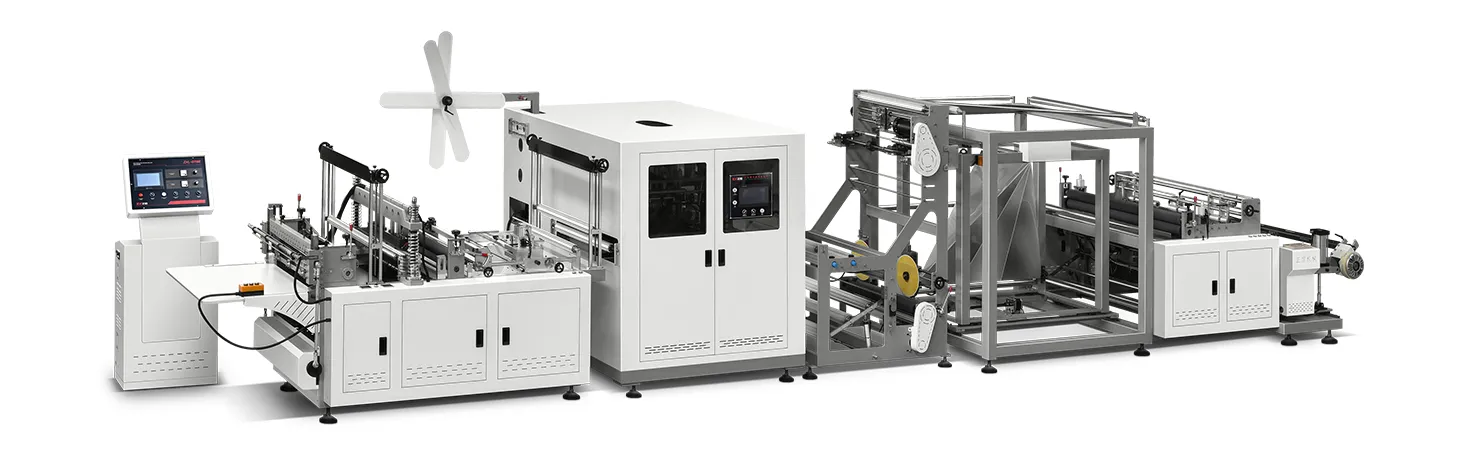
ஒரு நெய்யப்படாத பை தயாரிக்கும் இயந்திரம், துணியை ஒரு சுருளிலிருந்து ஊட்டி, இழுவிசையைக் கட்டுப்படுத்தி, பொருளைத் தேவையான அளவுக்கு வெட்டி, துணியை மடித்து, தையல்களை வெப்பம் அல்லது அல்ட்ராசோனிக் தொழில்நுட்பம் மூலம் மூடி, தேவைப்படும்போது கைப்பிடிகளை உருவாக்கி, தயாரான பைகளைத் தானாகவே சேகரிப்பதன் மூலம் செயல்படுகிறது. இந்த செயல்முறை பெரிய அளவிலான உற்பத்திக்காக உற்பத்தி வேகம், பைகளின் சீரான தன்மை மற்றும் உழைப்புத் திறனை மேம்படுத்துகிறது.
இந்த உபகரணத்தின் உண்மையான மதிப்பைப் புரிந்துகொள்ள, அதை உன்னிப்பாகப் பார்ப்பது அவசியம். ஒவ்வொரு தயாரிப்பு நிலை.
1. மூலப்பொருள் ஊட்டமளித்தல் மற்றும் துணி கட்டுப்பாடு
முறையானது ... உடன் தொடங்குகிறது அடிப்பொருள் சுருள் பிரிதல். ஒரு நெய்யப்படாத துணி சுருள் இயந்திரத்தில் வைக்கப்படுகிறது, மேலும் அந்தப் பொருள் உற்பத்தி வரிசைக்குத் தொடர்ச்சியாக வழங்கப்படுகிறது. இந்த முதல் படி எளிமையாகத் தோன்றலாம், ஆனால் இது நேரடியாக முடிக்கப்பட்ட பையின் தரத்தைப் பாதிக்கிறது. உணவு ஊட்டல் நிலையற்றதாக இருந்தால், துணி சுருக்கமடையலாம், நகரலாம் அல்லது நீளலாம், இது மோசமான சீலிங், துல்லியமற்ற பை அளவு மற்றும் தேவையற்ற வீணுக்கு வழிவகுக்கும்.
இந்தச் சிக்கல்களைத் தடுக்க, நவீன இயந்திரங்களில் பொதுவாக அடங்கும் தானியங்கி இறுக்கம் கட்டுப்பாடு, வழிகாட்டும் சாதனங்கள் மற்றும் சீரமைப்பு அமைப்புகள். இந்த அம்சங்கள் இயந்திரத்தின் வழியாகப் பொருள் நகரும்போது அதைத் தட்டையாகவும் நிலையாகவும் வைத்திருக்க உதவுகின்றன. ✔️ நிலையான ஊட்டமளித்தல் என்பது உயர்தரப் பை உற்பத்தியின் அடிப்படைகளில் ஒன்றாகும்.
இயக்குநர்கள் பொதுவாக ஒரு வழியாக உற்பத்தி அமைப்புகளில் நுழைகிறார்கள் தொடுதிரை கட்டுப்பாட்டு அமைப்பு. பையின் நீளம், அகலம், வேகம், பொருள் தடிமன் மற்றும் பிற அளவுருக்களை அனைத்தையும் இடைமுகம் மூலம் சரிசெய்ய முடியும். இது செயல்பாட்டை மிகவும் வசதியானதாக ஆக்குகிறது மற்றும் கைமுறைப் பிழைகளைக் குறைக்கிறது. உற்பத்தியாளர்களுக்கு, இது வேகமான அமைப்பு, எளிதான பயிற்சி மற்றும் மிகவும் சீரான உற்பத்தி முடிவுகளைக் குறிக்கிறது.
2. அச்சுப் பதிவு மற்றும் பொருள் நிலைநிறுத்துதல்
பைகள் தேவைப்படும்போது லோகோக்கள், வடிவங்கள் அல்லது பிராண்ட் வரைகலைகள், துல்லியமான நிலைநிறுத்தம் மிகவும் முக்கியமானதாகிறது. பல சந்தர்ப்பங்களில், பை உருவாக்கும் செயல்முறைக்கு முன்பே அச்சிடுதல் முடிக்கப்பட்டுவிடுகிறது, பின்னர் இயந்திரம் துணியில் உள்ள பதிவுக் குறிகளைக் கண்காணிக்க சென்சார்களைப் பயன்படுத்துகிறது. இந்த சென்சார்கள் வெட்டுதல் மற்றும் சீல் செய்யும் நிலைகள் அச்சிடப்பட்ட வடிவமைப்புடன் பொருந்துவதை உறுதி செய்கின்றன.
இந்தப் படி குறிப்பாக முக்கியமானது ஷாப்பிங் பைகள், பரிசுப் பைகள், எடுத்துச் செல்லும் பைகள் மற்றும் விளம்பரப் பைகள், ஏனெனில் தோற்றம் தயாரிப்பின் மதிப்பில் நேரடி தாக்கத்தை ஏற்படுத்துகிறது. அச்சிடப்பட்ட படம் சீராக இல்லாவிட்டால், வலுவான பை கூட வாடிக்கையாளரால் நிராகரிக்கப்படலாம்.
ஒரு நம்பகமான கண்காணிப்பு அமைப்புடன், இயந்திரம் ஒவ்வொரு பையையும் ஒரே வடிவத்திலும் நிலையில் வைத்திருக்க முடியும். ⭐ இது தயாரிப்பு நிலைத்தன்மையை மேம்படுத்துகிறது, குறைபாடுகளைக் குறைக்கிறது, மற்றும் தொழில்முறை பெரிய அளவிலான உற்பத்திக்கு ஆதரவளிக்கிறது.
3. துணியை வெட்டுதல் மற்றும் மடித்தல்
பொருள் சரியாக சீரமைக்கப்பட்ட பிறகு, இயந்திரம் ...க்குள் நகர்கிறது. வெட்டுதல் மற்றும் மடித்தல் கட்டம். நெய்தல் இல்லாத துணி, நிரல்படுத்தப்பட்ட பையின் அளவுகளுக்கு ஏற்ப வெட்டப்படுகிறது, மேலும் இயந்திரம் அந்தப் பொருளைத் தேவையான வடிவத்திற்கு மடிக்கிறது. இந்த நிலையில், பையின் அடிப்படை உடல் வடிவம் பெறத் தொடங்குகிறது.
பல்வேறு இயந்திரங்கள் பல்வேறு பை அமைப்புகளை ஆதரிக்கின்றன. உள்ளமைப்பைப் பொறுத்து, இயந்திரம் பின்வருவனவற்றை உற்பத்தி செய்யக்கூடும்:
- நெய்தல் இல்லாத ஷாப்பிங் பைகள்
- நெய்தல் இல்லாத டி-ஷர்ட் பைகள்
- பாக்ஸ் பைகள்
- தட்டையான பைகள்
- சுமக்கும் பைகள்
- தனிப்பயனாக்கப்பட்ட விளம்பரப் பைகள்
சில இயந்திரங்கள் ஒரு குறிப்பிட்ட வகை பைக்குக்காகவே உருவாக்கப்படுகின்றன, மற்றவை அதிக நெகிழ்வுத்தன்மையுடன் வடிவமைக்கப்பட்டு, சில மாற்றங்களுடன் பல வகை பைகளைக் கையாளக்கூடியவை. மாறிவரும் சந்தைத் தேவைகளுக்கு விரைவாகப் பதிலளிக்க விரும்பும் தொழிற்சாலைகளுக்கு இது ஒரு முக்கிய நன்மையாகும்.
மடிக்கும் துல்லியம் மிக முக்கியமானது. துல்லியமாக மடிப்பது நேர்த்தியான விளிம்புகள், சரியான பக்க குசெட்டுகள் மற்றும் சமநிலையான பை அமைப்பை உறுதி செய்கிறது.. மடிப்பதில் ஒரு சிறிய விலகல் கூட, செயல்முறையின் பிற்காலத்தில் சீல் செய்வதில் சிக்கல்களை உருவாக்கக்கூடும்.
4. பை உடலை மூடுவது
துணி வெட்டி மடிக்கப்பட்டவுடன், இயந்திரம் அந்தப் பொருளை மூடி, உண்மையான பை அமைப்பை உருவாக்குகிறது. இது முழுமையான பணிப்பாய்வுలోని மிக முக்கியமான பகுதிகளில் ஒன்றாகும். நெய்யப்படாத பைத் துறையில், மீயொலி வெல்டிங் தொழில்நுட்பம் பாரம்பரிய தையல் முறைகளை விட வேகமான மற்றும் நேர்த்தியான மூடுதலை வழங்குவதால் இது பரவலாகப் பயன்படுத்தப்படுகிறது.
அல்ட்ராசோனிக் சீலிங் என்பது துணியின் அடுக்குகளை ஒன்றாகப் பிணைக்க உயர் அதிர்வெண் அதிர்வைப் பயன்படுத்துவதன் மூலம் செயல்படுகிறது. இது நூல் இல்லாமல் ஒரு உறுதியான தையலை உருவாக்குகிறது. பாரம்பரிய தையலை ஒப்பிடும்போது, இந்த முறை பல நன்மைகளை வழங்குகிறது:
- தூய்மையான பை விளிம்புகள்
- அதிக உற்பத்தி வேகம்
- பயன்படுத்தப்படும் பொருட்களின் பயன்பாட்டைக் குறைத்தல்
- சீம் தரத்தில் சிறந்த நிலைத்தன்மை
- குறைந்த தொழிலாளர் சார்புநிலை
சில சமயங்களில், வெப்ப முத்திரையிடல் பொருளின் வகை மற்றும் பையின் விவரக்குறிப்பைப் பொறுத்து, அல்ட்ராசோனிக் அல்லது வெப்ப தொழில்நுட்பம் ஆகியவையும் பயன்படுத்தப்படலாம். இயந்திரம் அல்ட்ராசோனிக் அல்லது வெப்ப தொழில்நுட்பத்தைப் பயன்படுத்தினாலும், நோக்கம் ஒன்றுதான்: பை வலுவாகவும், நேர்த்தியாகவும், அதன் பயன்பாட்டிற்கு ஏற்றதாகவும் இருப்பதை உறுதி செய்வதே ஆகும்.
5. கையாளுதல் உருவாக்கம் மற்றும் செயல்பாட்டு ஒருங்கிணைப்பு
கையடக்கப் பைகள் மற்றும் ஷாப்பிங் பைகளுக்கு, அடுத்த முக்கியமான கட்டம் கைப்பிடி செய்தல் அல்லது கைப்பிடி பொருத்துதல். சில இயந்திர மாடல்கள் இந்த செயல்முறையை ஒரே வரிசையில் தானாகவே முடிக்க முடியும், மற்றவை தனி கைப்பிடி பொருத்தும் செயல்முறைக்காக பை உடலைத் தயாரிக்கின்றன.
மேம்பட்ட இயந்திரங்கள் பல செயல்பாடுகளை ஒரே முழுமையான பணிப்பாய்வுக்குள் ஒருங்கிணைக்கக்கூடும், அவை:
- பக்க சீல்
- அடிப்பகுதி உருவாக்கம்
- இடுக்குத் தாள் செய்தல்
- குத்துதல்
- பிடிப்பைச் சரிசெய்தல்
- தானியங்கி அடுக்குதல்
இந்த வகையான பல செயல்பாட்டு வடிவமைப்பு மதிப்புமிக்கது, ஏனெனில் இது ஒரு இயந்திரத் தளத்தை பல தொழில்களுக்குப் பைகள் தயாரிக்க அனுமதிக்கிறது, உட்பட உணவுப் பொட்டலங்கள், பானங்களை எடுத்துச் செல்வது, ஆடை சில்லறை விற்பனை, பரிசுப் பொட்டலங்கள், எடுத்துச் செல்லும் சேவை, மற்றும் அன்றாடத் தேவைகள்.
✅ பரந்த பயன்பாட்டு நெகிழ்வுத்தன்மையுடன் கூடிய ஒரு இயந்திரம், ஒரு தொழிற்சாலை தனது தயாரிப்பு வரம்பை விரிவுபடுத்தும் அதே வேளையில், உபகரண முதலீட்டைக் குறைக்க உதவும்.
6. தானியங்கி சேகரிப்பு மற்றும் முடிக்கப்பட்ட பை வெளியீடு
பை உருவாக்கப்பட்டு மூடப்பட்ட பிறகு, தயாரான பொருள் ...க்கு நகர்கிறது. வசூல் கட்டம். இந்தக் கட்டத்தில், இயந்திரம் பைகளைத் தானாகவே எண்ணி, அடுக்கி அல்லது சேகரிக்கலாம். இது உடல் உழைப்பைக் குறைத்து, பட்டறைத் திறனை மேம்படுத்துகிறது.
பின்னர் ஆபரேட்டர்கள், பின்வருவன உள்ளிட்ட பல தரநிலைகளின் அடிப்படையில் இறுதி வெளியீட்டை ஆய்வு செய்கின்றனர்:
- பையின் அளவுத் துல்லியம்
- சீல் வலிமை
- பாகங்கள் இணைப்புத் தரம்
- தோற்ற நிலைத்தன்மை
- அச்சிடும் நிலை
ஒரு நல்ல நெய்யப்படாத பை தயாரிப்பு இயந்திரம் பராமரிக்கப்பட வேண்டும். தொடர்ச்சியான, நிலையான வெளியீடு நீண்ட உற்பத்தி ஓட்டங்களின் போது. தொழிற்சாலைகளுக்கு இது முக்கியமானது, ஏனெனில் இயந்திரத்தின் செயலிழப்பு நேரம், மீண்டும் மீண்டும் செய்யப்படும் சரிசெய்தல்கள் மற்றும் அதிக நிராகரிப்பு விகிதங்கள் ஆகியவை இலாபத்தை விரைவாகக் குறைக்கக்கூடும்.
7. வாங்குபவர்களுக்கு வேலை செய்யும் செயல்முறை ஏன் முக்கியமானது
ஒரு நெய்யப்படாத பை தயாரிக்கும் இயந்திரம் எவ்வாறு செயல்படுகிறது என்பதைப் புரிந்துகொள்வது உற்பத்திப் பணியாளர்களுக்கு மட்டுமல்ல, வாங்குபவர்கள் மற்றும் தொழிற்சாலை உரிமையாளர்களுக்கும் முக்கியமானது. இதன் செயல்முறை, இயந்திரம் சரியான சமநிலையை வழங்க முடியுமா என்பதைக் காட்டுகிறது. வேகம், துல்லியம், நெகிழ்வுத்தன்மை, மற்றும் நிலைத்தன்மை.
ஒரு இயந்திரத்தை மதிப்பிடும்போது, வாங்குபவர்கள் பின்வருவனவற்றிற்குக் கூர்ந்து கவனம் செலுத்த வேண்டும்:
- தானியக்க நிலை
- ஆதரிக்கப்படும் பை வகைகள்
- சீல் செய்யும் தொழில்நுட்பம்
- இயக்க எளிமை
- பொருள் இணக்கத்தன்மை
- உற்பத்தி நிலைத்தன்மை
பிளாஸ்டிக் கட்டுப்பாடுகளால் பாதிக்கப்பட்ட சந்தைகளுக்குச் சேவை செய்யும் உற்பத்தியாளர்களுக்கு, நெய்யப்படாத பை உற்பத்தி உபகரணங்கள் ஒரு பெருகிய முறையில் நடைமுறைக்கு உகந்த முதலீடாக மாறியுள்ளது. தானியங்கி ஊட்டமளித்தல், மடித்தல், சீல் செய்தல் மற்றும் சேகரித்தல் மூலம் மூல துணி சுருள்களைத் தயாரிப்புப் பைகளாக மாற்றக்கூடிய ஒரு இயந்திரம், உற்பத்தித் திறன் மற்றும் தயாரிப்பு நிலைத்தன்மை ஆகியவற்றின் அடிப்படையில் தெளிவான மதிப்பை வழங்குகிறது.
8. செயல்முறையின் இறுதிப் புரிதல்
எளிய வார்த்தைகளில், ஒரு நெய்யப்படாத பை தயாரிக்கும் இயந்திரம் மாற்றுகிறது துணி சுருள்களாகி, பயன்படுத்தக்கூடிய பைகளாக உருவெடுக்கிறது. இணைக்கப்பட்ட தொடர் வரிசையின் மூலம் உணவளித்தல், நிலைநிறுத்தல், வெட்டுதல், மடித்தல், சீல் செய்தல், கைப்பிடி செயலாக்கம் மற்றும் சேகரித்தல் ஆகியவற்றின் மூலம். ஒவ்வொரு கட்டமும் இறுதி பையின் தரத்தைப் பாதிக்கிறது, மேலும் ஒவ்வொரு தொழில்நுட்ப மேம்பாடும் உற்பத்தி நம்பகத்தன்மையை அதிகரிக்கும் அதே வேளையில் உற்பத்தியாளர்களுக்குச் செலவைக் குறைக்க உதவுகிறது.
இயந்திரக் கட்டுப்பாடு, தானியக்கமயமாக்கல் மற்றும் சீல் செய்யும் செயல்திறன் எவ்வளவு சிறப்பாக இருக்கிறதோ, அந்த அளவிற்கு இறுதி உற்பத்தி முடிவு சிறப்பாக இருக்கும்.
ஒரு நெய்யப்படாத பை தயாரிக்கும் இயந்திரம் மூலம் செயல்படுகிறது தானியங்கி ஊட்டல், மடித்தல், சீல் செய்தல் மற்றும் சேகரித்தல், உற்பத்தியாளர்கள் பைகளை திறமையாகவும் சீராகவும் உற்பத்தி செய்ய உதவுகிறது.
எஸ்சிஓ தலைப்பு
மெட்டா விளக்கம்
ZXL-A700背心袋无纺布制袋机.webp)
 தமிழ்
தமிழ்  English
  العربية
  Español
  Русский
  O‘zbekcha
  Қазақ тілі
  Português (AO90)
  Tiếng Việt
  (فارسی (افغانستان
  Kiswahili
  አማርኛ
አማርኛ  Bahasa Indonesia
  اردو
اردو  हिन्दी
  বাংলা
বাংলা