
High pricing, unstable output, na limited bag options can damage profits; the right Mashine ya mfuko usiosokotwa improves efficiency, unyumbufu, na long-term reliability.
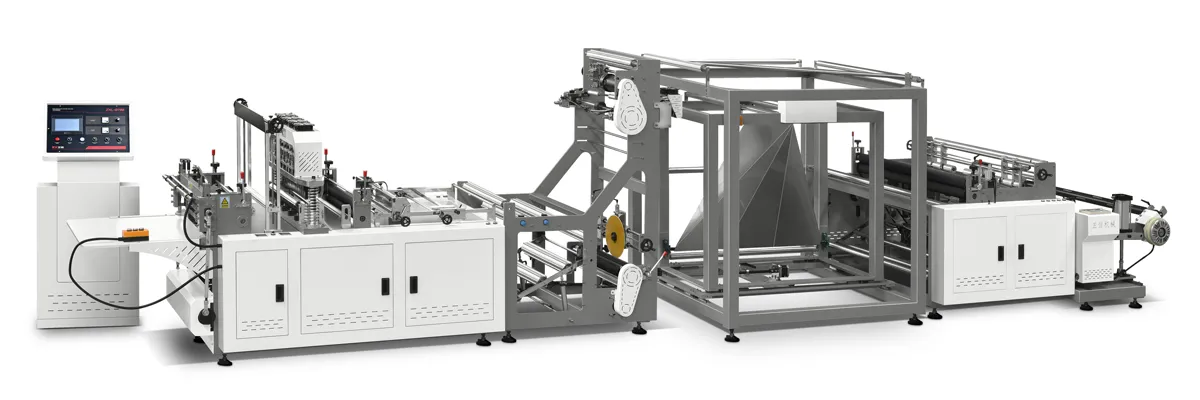
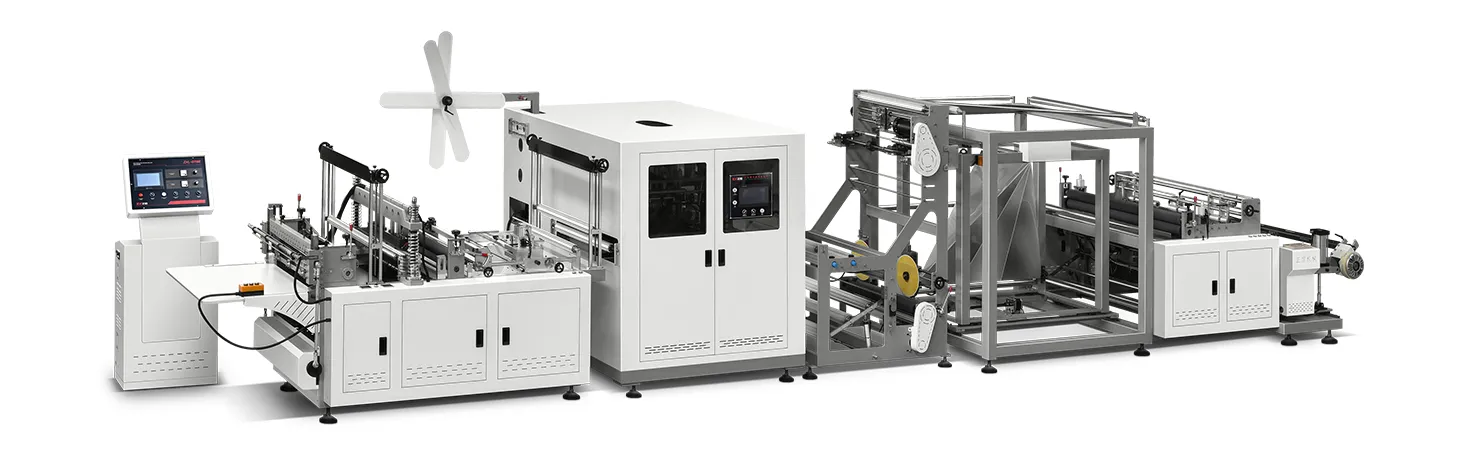
When choosing a non woven bag machine, buyers should focus on bag type compatibility, automation level, production stability, Uwezo wa kubadilika kwa nyenzo, welding quality, Ufanisi wa nishati, technical support, na total operating cost. The right machine helps manufacturers improve output, reduce waste, meet market demand, and strengthen long-term competitiveness.
These key factors decide whether a machine supports business growth or causes ongoing production problems.
Why the Right Non Woven Bag Machine Matters
Kuchagua Mashine ya mfuko usiosokotwa is not only about the purchase price. For manufacturers, distributors, and bag producers, the machine directly affects Kasi ya uzalishaji, product consistency, operating cost, na customer satisfaction. A lower-priced machine may look attractive at first, but if it cannot run stably, produce multiple bag styles, or adapt to different materials, it can lead to downtime, waste, delayed delivery, na higher long-term costs. Because of this, buyers should evaluate the machine from both technical na commercial perspectives before making a final decision.
1. Bag Type Compatibility
The first point to check is bag type compatibility. Different markets require different non-woven bag styles, such as:
- Mifuko ya ununuzi
- Mifuko ya sanduku
- Mifuko ya fulana
- Mifuko ya zawadi
- Mifuko ya kuchukua
- Mifuko ya kutengeneza joto
A practical machine should support the bag types required by the buyer’s target market. A more versatile machine creates greater value because it allows the manufacturer to respond to changing customer needs without investing in multiple separate systems. One machine with multiple bag-making functions is especially useful for companies handling custom orders or serving different industries.
2. Automation and Operating Efficiency
Another major factor is otomatishaji. Modern non woven bag machines are moving toward intelligence, otomatishaji, na precision. Machines equipped with a Mfumo wa udhibiti wa skrini ya rangi ya kugusa and a clear operating interface can reduce training time and improve production management.
The benefits of higher automation include:
- Lower labor dependence
- Reduced human error
- More stable production output
- Better cost control
- Higher efficiency in long production runs
For factories aiming to expand capacity, a fully automatic non woven bag making machine can improve consistency while keeping production more competitive.
3. Production Stability and Reliability
A machine must deliver stable na reliable performance in daily factory operations. This is essential for meeting delivery schedules and maintaining product quality. If the machine stops frequently, overheats, or produces inconsistent sealing, the result may be:
- Material waste
- Production delays
- Higher maintenance costs
- Customer complaints
A reliable machine should be designed for Uendeshaji endelevu and built with durable components. Buyers should pay close attention to the machine’s structure, control system, and the supplier’s experience in manufacturing complete sets of non-woven bag-making equipment.
4. Ultrasonic Welding Quality
Teknolojia ya uunganishaji kwa mawimbi ya sauti is one of the most important features to evaluate. Welding quality directly affects the bag’s strength, Mwonekano, na market acceptance. Advanced ultrasonic welding can improve sealing precision and replace less efficient traditional processes.
This is especially important for products such as:
- Mifuko ya ununuzi
- Packaging bags
- Mifuko ya kuchukua
- Daily-use bags
A suitable machine should provide clean, imara, na consistent welding results across different bag sizes and material types. Strong welding performance helps improve both Ubora wa bidhaa na brand reputation.
5. Material Adaptability
A good machine should not be limited to a single material. In real manufacturing environments, buyers may need to process different raw materials according to customer requirements, including:
- Non-woven bare fabric
- Laminated composite fabric
- PP material
- Transparent film
- Woven material
- Laminated fabric
A machine with strong Uwezo wa kubadilika kwa nyenzo gives manufacturers more flexibility in product development and order fulfillment. This is particularly important in markets where eco-friendly packaging demand is rising and customers increasingly expect customized bag solutions.
6. Energy Efficiency and Environmental Value
Environmental performance is also a key consideration. In many countries affected by sera za vizuizi vya plastiki, non-woven bags are increasingly used as an alternative packaging solution. As a result, manufacturers need equipment that supports not only efficient production but also greener manufacturing standards.
Mashine na energy-saving features can help:
- Reduce electricity consumption
- Lower production costs
- Support sustainable operations
- Improve competitiveness in eco-conscious markets
Over time, energy-efficient equipment can create both economic na environmental advantages.
7. Scalability and Long-Term Value
Buyers should also think about the machine’s uwezo wa kupanuka. The right equipment should support future business growth instead of limiting it. If a company plans to increase production, enter new export markets, or offer more customized products, the machine should be able to support these goals.
Scalability may include:
- Handling different bag specifications
- Supporting future equipment upgrades
- Maintaining efficiency at larger order volumes
- Adapting to wider product applications
A machine with better long-term flexibility often delivers more value than a low-cost model designed only for basic short-term production.
8. Technical Support and After-Sales Service
Even a high-quality machine may require installation support, operator training, maintenance, na troubleshooting assistance. For this reason, after-sales service should be considered an essential part of the buying decision.
Buyers should evaluate whether the supplier can provide:
- Systematic installation guidance
- Technical training
- Fast maintenance response
- Long-term service support
For overseas buyers especially, dependable support can reduce downtime and protect delivery schedules. In many cases, strong after-sales service is just as important as machine quality itself.
9. Look Beyond the Initial Price
The final decision should be based on total operating value, not only the initial quotation. The best non woven bag machine is one that combines:
- Suitable bag-making capability
- Stable machine performance
- Wide material compatibility
- Efficient automation
- Reliable technical support
A machine that helps reduce waste, expand product range, and maintain consistent output can deliver stronger returns over time than a cheaper but more limited alternative.
Hitimisho
The best non woven bag machine balances unyumbufu, stability, efficiency, support, na long-term production value.
 Kiswahili
  English
  العربية
  Español
  Русский
  O‘zbekcha
  Қазақ тілі
  Português (AO90)
  Tiếng Việt
  (فارسی (افغانستان
  አማርኛ
አማርኛ  தமிழ்
தமிழ்  Bahasa Indonesia
  اردو
اردو  हिन्दी
  বাংলা
বাংলা